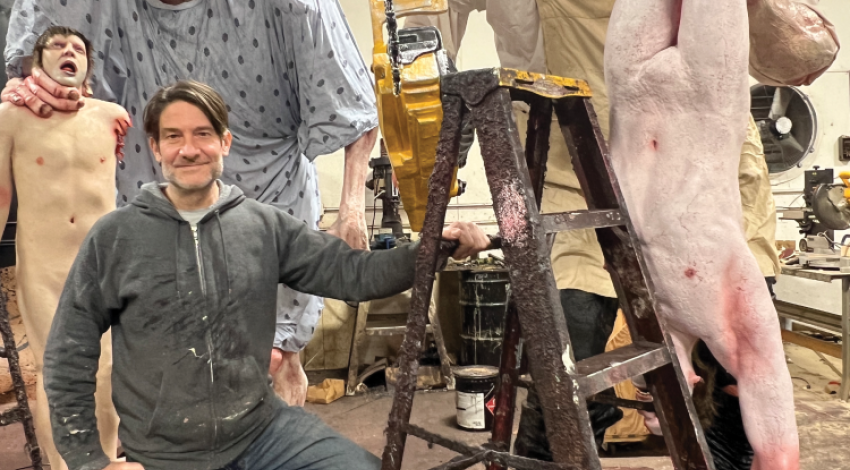
A Vietnam veteran was exploring the then newly opened National Veterans Memorial and Museum (NVMM) when he saw another man, a veteran of World War II, and stopped him in his tracks with a “Thank you for your service.”
“It was a very moving moment,” says Shelley Hoffman, associate director of external affairs, who witnessed the scene. The poignant episode epitomizes NVMM’s unique mission: saluting every veteran from every branch of the U.S. military in every period of war and peace.

Velvet Eyes and Wild Horses. Strawberry Candy and Pink Bikini. Snow Prince. Moonlit Masquerade. Dreamworld. Baby’s Got Blue Eyes.
Those alluring names are just a few of the thousands — literally thousands — of varieties of daylily. So captivating are these perennial posies, in fact, that Ann Brickner readily admits she is absolutely addicted to them.

As you might imagine, electric cooperatives have a great story to tell.
We talk about our history, about rural neighbors who banded together to bring electricity to their homes and farms when no one else would.
We talk about the present, about the vital service we provide, and about our involvement in our communities — locally, nationally, and even internationally.

Whether you enjoy tent camping or drive the largest motorhome on the road, there’s a campsite awaiting you on the Ohio islands of Lake Erie. Accessible by ferry, South Bass, Middle Bass, and Kelleys Island state parks offer a unique camping experience close to home.
No one knows the Lake Erie islands better than Steve Riddle. Raised on Middle Bass, Riddle spent a 30-year career managing the three island parks for the Ohio Department of Natural Resources. Today, he is the police chief of Put-In-Bay, the small village on South Bass Island.
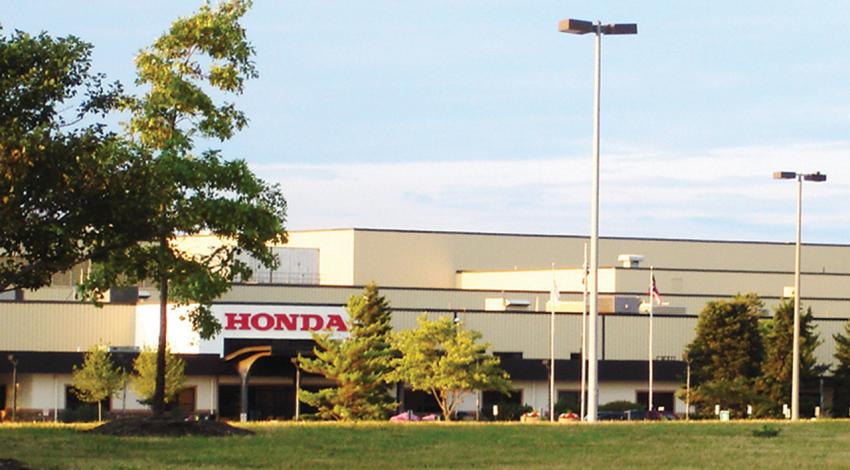
Tucked against the base of Mad River Mountain in Bellefontaine is one of Ohio’s smallest co-ops, Logan County Electric Cooperative (LCEC). What the co-op might lack in size, however, it makes up for in service. General Manager Rick Petty and his staff prioritize connections with their more than 4,600 consumer-members in their mission to provide local, safe, reliable, affordable electricity.

The 2016 elections demonstrated the influence of rural voters — and, therefore, let elected officials know in no uncertain terms to pay attention to the needs of rural America.
While the National Rural Electric Cooperative Association has a team of government affairs professionals lobbying Congress every day, local cooperative leaders make an annual trek to Washington, D.C., every April so those federal policymakers hear directly from folks from their district or home state.
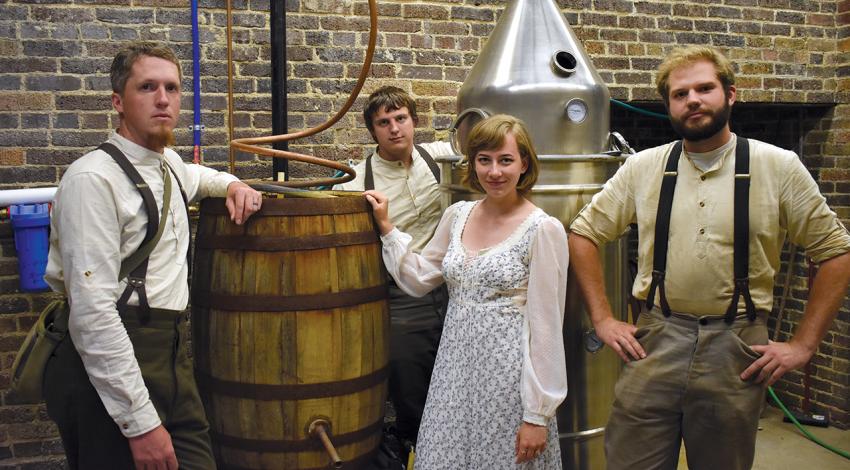
For centuries, moonshine has loomed large in the American imagination — the illegally produced liquor was a key part of the underground economy of many states in the South and in Appalachia. During Prohibition, backwoods moonshiners helped supply speakeasies across the country. NASCAR has its roots in the souped-up cars used by moonshine runners to transport booze. Moonshiners have been the subject of dozens of movies, hundreds of songs, and numerous TV shows, from The Dukes of Hazzard to Moonshiners, a reality show on the Discovery Channel.

Many gardeners fill their space with flowers to attract butterflies, but how would you like to have a garden where the complete life cycle takes place? You can grow and raise your own butterflies, from eggs to interesting caterpillars to the beautiful winged creatures. With the right habitat, you can enjoy lepidoptera all season long and even host the same species in your garden year after year.

Electric cooperatives have a long history of providing service where there was an unfilled need. It’s a story that especially resonates with Patrick Gottsch.
In the late 1990s, Gottsch, then a sales executive for a successful livestock auction, looked at cable television lineups around the country and noticed something missing: there was no rural-focused programming anywhere on the dial.
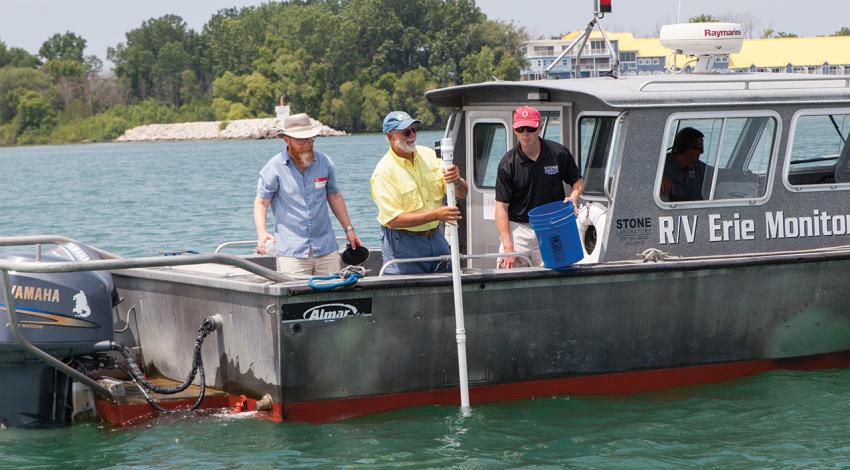
It’s no secret that Lake Erie’s recent algae blooms have a small army of scientists and conservationists working nonstop to remedy its troubles. But a little-known faction has been feeding valuable data to those problem-solvers: charter captains.
“We first started with the Ohio EPA,” says Dave Spangler, longtime captain and vice president of the Lake Erie Charter Boat Association (LECBA). The EPA, he says, sent lab technicians wading near shore to collect samples. “The better part of the Western Basin just wasn’t getting covered,” he says.