June 2020

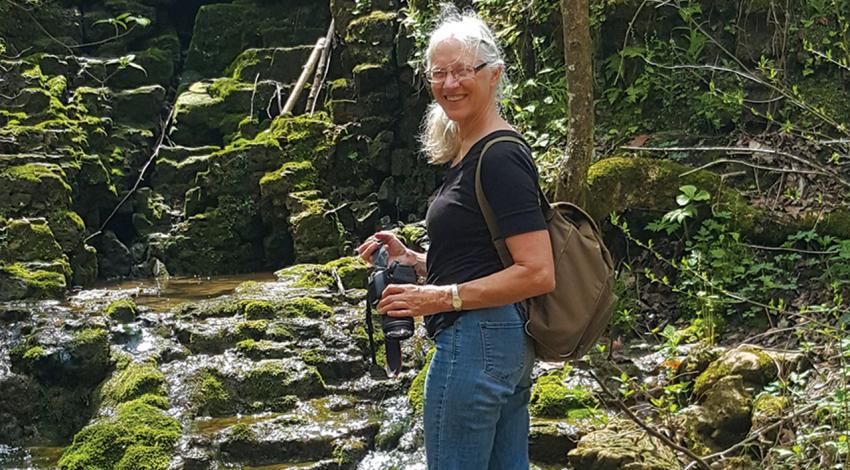
Nancy Stranahan, co-founder and director of Arc of Appalachia smiles for a photo in a forest

Ask Nancy Stranahan, “What’s the point of preserving plain old woods?” and you’re certain to get an earful.

“I’d say guilty as charged, except for the word ‘plain,'” Stranahan says, explaining that southern Ohio’s hardwood forests are the last best chance to save an ecosystem that has one of the highest levels of biodiversity in the world. “The fact that 100,000 multicellular native organisms are at stake takes ‘plain’ out of the discussion.”

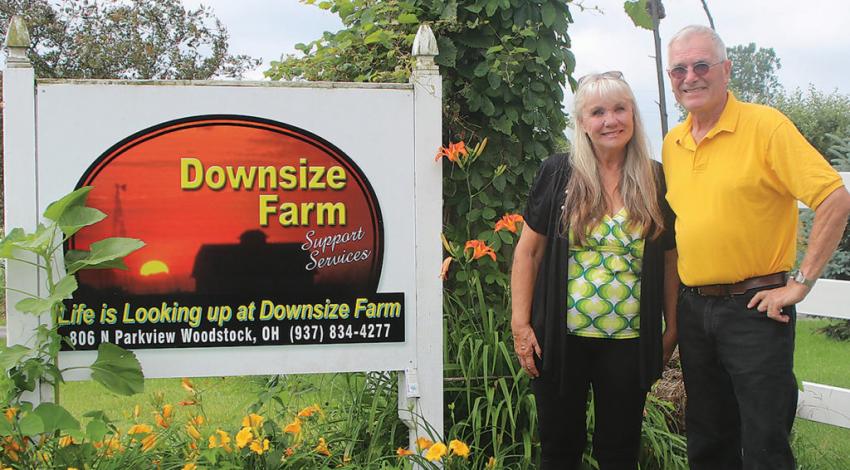
Midge and Bob Custer, of Woodstock, Ohio, pose next to the sign for their farm.

Two Ohio electric cooperative nominees have been named winners in a national contest by Touchstone Energy Cooperatives, the nationwide alliance of more than 730 consumer-owned electric cooperatives. Touchstone sponsors the #WhoPowersYou contest to honor co-op members for demonstrating their concern for their respective communities, which is one of Touchstone’s core values. The awards come with cash prizes to help the winners continue their valuable work.

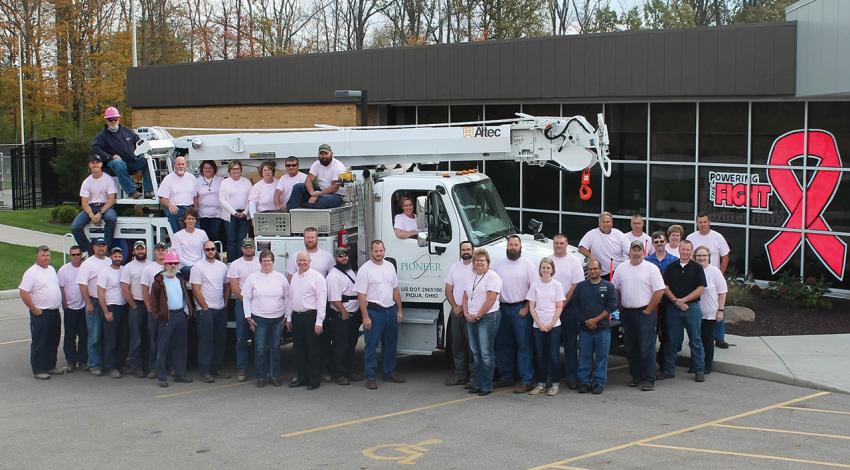
The employees of Pioneer pose for a group picture.

Pioneer Electric Cooperative, based in Piqua, is a celebrity among cooperatives, if there can be such a thing. On Nov. 14, 1935, just six months after President Franklin Roosevelt’s executive order creating the Rural Electrification Administration, a crowd of more than 500 farmers, businessmen, and statesmen from around the country gathered in Piqua to watch workers set the first REA utility pole in the nation.

John Martin, trustee at Firelands Electric, speaks into a microphone.

John Martin braved one of those arctic January Ohio mornings to come from his home near New London to Columbus for training that would help him in his newest position.

Martin, a retired CSX signaling supervisor, had been elected to the Firelands Electric Cooperative board of directors only a few months earlier. Since a director’s decisions impact issues such as service rates, rights-of-way, and work plans, it’s a position of great responsibility. It requires people who understand their community’s needs and have a desire to serve the cooperative consumer-members’ best interests.

They say that March comes in like a lion and goes out like a lamb. However, the opposite holds true for Ohio Cooperative Living. This month marks the two-year anniversary of the publication’s debut, when we quietly but deliberately retired the magazine’s predecessor in favor of a contemporary redesign, a closer focus on our members, and, most notably, a new name.
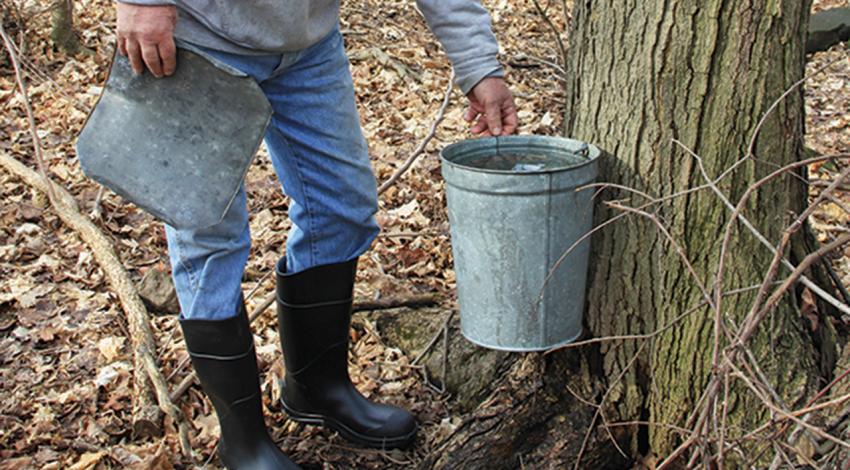
Gordon McDonald checks a sap bucket on his brother Gary’s farm near Chardon.

When billowing clouds of steam begin rising from family sugar bush operations that dot the landscape this time of year, you know two things: Winter’s grip is finally beginning to ease a bit, and underneath all that steam is one of the tastiest treats there is.

Poured over pancakes or drizzled over ice cream, there is no better seasonal treat than pure Ohio maple syrup, and Geauga County produces more of the stuff than any other county in the state. The two main reasons: many mature sugar maple trees and many Amish farms — most of which operate a sugar bush.

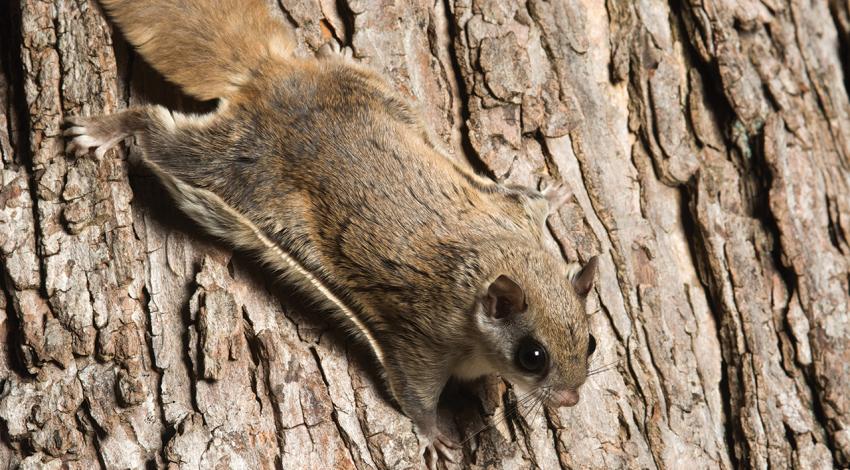
A flying squirrel rests against a tree.

We’re accustomed to sharing our outdoors with gray squirrels and fox squirrels, but the most common type of squirrel in Ohio is one you’ve probably never seen — the southern flying squirrel. While other squirrels will boldly venture among humans, southern flying squirrels are both shy and nocturnal, making them difficult to spot.

Smaller than gray squirrels, with big, black eyes and a tail that’s flat and furry rather than bushy, the southern flying squirrel has a wide flap of skin from its wrist down to its ankle on each side.

Karen and Bruce Beck pose with their tandem bicycle for a picture.

Like many middle-aged married couples, Consolidated Cooperative members Bruce and Karen Beck of Mount Gilead enjoy long, leisurely bike rides together. Their rides, however, are a little longer than most — the last one covered 6,500 miles and took four months to complete. They have another such ride scheduled later this year.

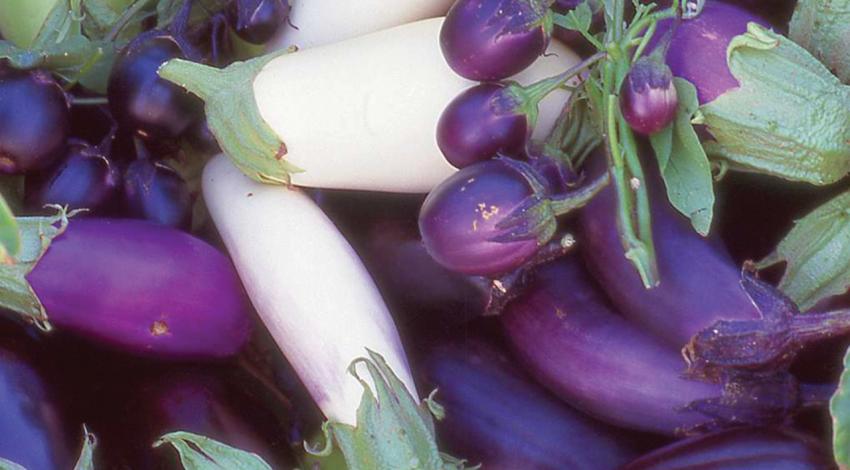
A collection of eggplants in various stages of growth.

Years ago, I discovered that there is a lot to like about eggplant.

Aesthetically captivating, the plant’s gorgeous lavender flowers, followed by a glistening display of purple to purplish-black fruit, are a striking addition to the garden. Additional fruit color options include pearly white, soft orchid, and bright orange. Some varieties also produce fruits in various interesting shapes, from the classic oval to an elongated teardrop to long and slender or curved like a banana and even round balls that are the perfect size for shish kebabs.