Amy Howat

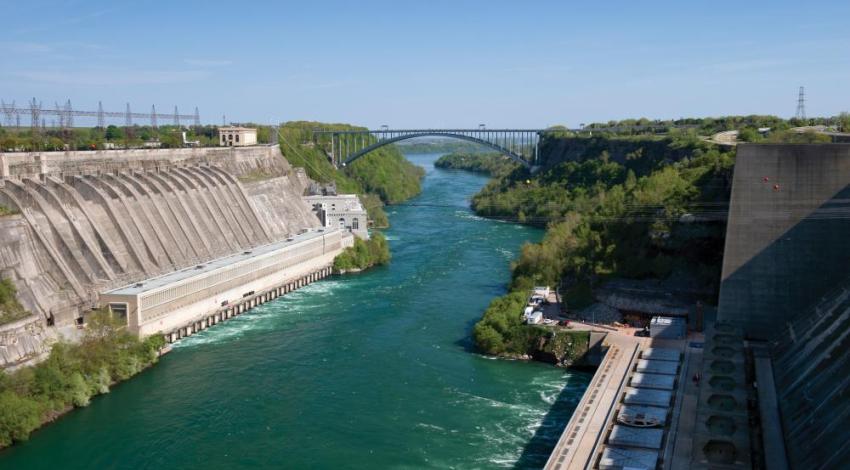
Niagara Falls

There’s an important debate going on currently about the best way to generate electricity to power America’s homes and businesses, framed something like this: Low- or zero-carbon-emission sources that are both generally expensive and only intermittently available on the one

“While coal and natural gas provide the bulk of our electricity supply in a reliable and cost-competitive manner, we continue to seek opportunities to develop renewable energy projects that make sense for our members,” says Pat O’Loughlin, president and CEO of Ohio’s Electric Cooperatives, the trade association that provides services to the 24 electric distribution cooperatives in the state. “Our hydropower, bio-gas, and solar resources are an important part of the mix. We’re always looking to grow and expand our supply resources in economical, practical, and beneficial ways.”
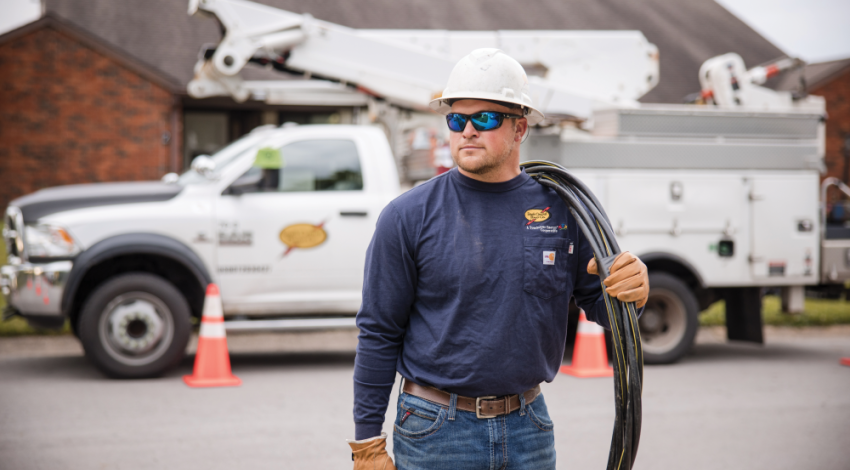

Ben Jones of South Central Power is finishing his associate degree through the COLT/WVU-P partnership. He plans to continue through the program and earn a bachelor’s degree.

When Brian Bick was fresh out of high school, he started taking college classes but soon discovered he didn’t enjoy spending his days in a classroom. He decided to pursue a career as an electric lineworker.

Higher-ed partnership puts co-op lineworkers on a path toward leadership.

In June of 2022, after fierce storms ripped through the region, areas in and around Columbus were hit with power outages. Residents flocked to cooling centers as temperatures soared into the 90s.

That emergency balancing act is known by many names, including “intermittent outage” or “forced outage,” but is most commonly called a “rolling blackout.” It can happen when a peak in electricity use — usually during extremely hot or extremely cold weather — coincides with significant gaps in the generation or transmission of electricity, says Ben Wilson, director of power delivery engineering for Buckeye Power, which supplies electricity to Ohio’s electric cooperatives.