Power Lines

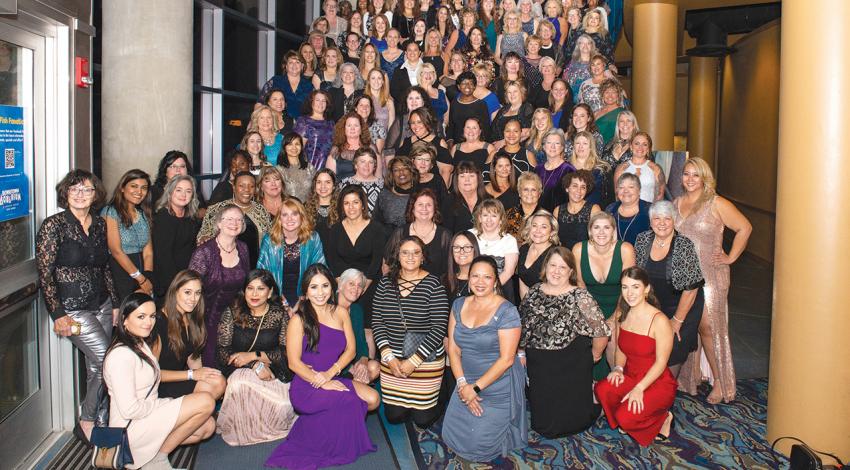
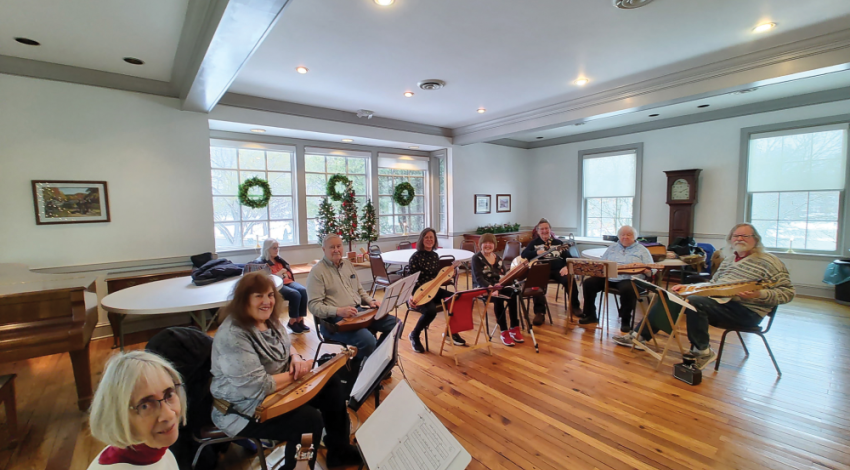
WiNUP members gather at their most recent national conference.

Janet Rehberg, director of cooperative development at Ohio’s Electric Cooperatives, began her electrical industry career as an engineer with AEP, designing the underground electrical systems for new housing developments.

Holly Huffman, communication support specialist at Indiana Electric Cooperatives (IEC), began her career in public relations. She worked for an agency for a while, as well as in the real estate industry, before a position opened up in the marketing department at Wabash Valley Power Alliance. “I didn’t know anything about the industry or what cooperatives were,” she says. “I just knew the electric company kept the lights on.” After eight years, she transitioned to her role at IEC, where she works with member cooperatives to produce content for Indiana’s cooperative-member magazine.

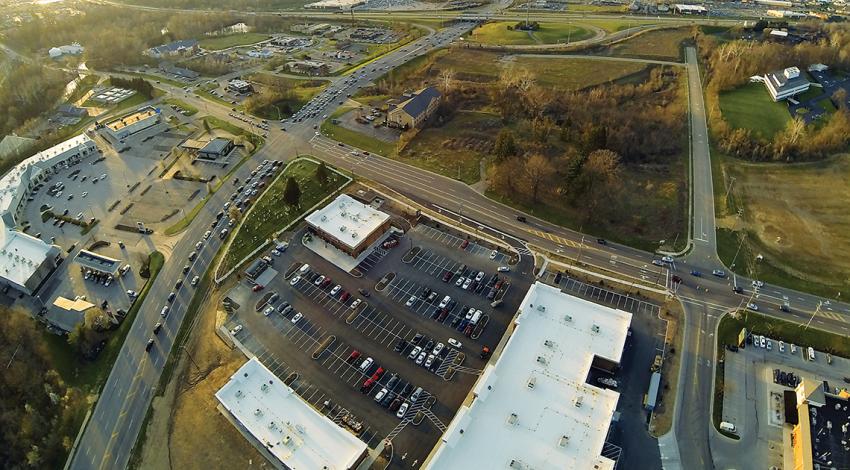
Suburban Columbus

Since electric co-ops were first established during the 1930s, they have served mainly rural areas of the United States.

“We continually beat the drum among our members about what the co-op is,” says Phil Caskey, president and CEO of Consolidated Cooperative, which serves eight counties in north-central Ohio. Caskey says that many residents of suburban areas, as well as former suburbanites who move into rural areas, are unaware of the differences between electric co-ops and large, privately owned electric utilities. In addition, rural co-op members tend to have a better understanding of the co-op’s place in the community, he says.

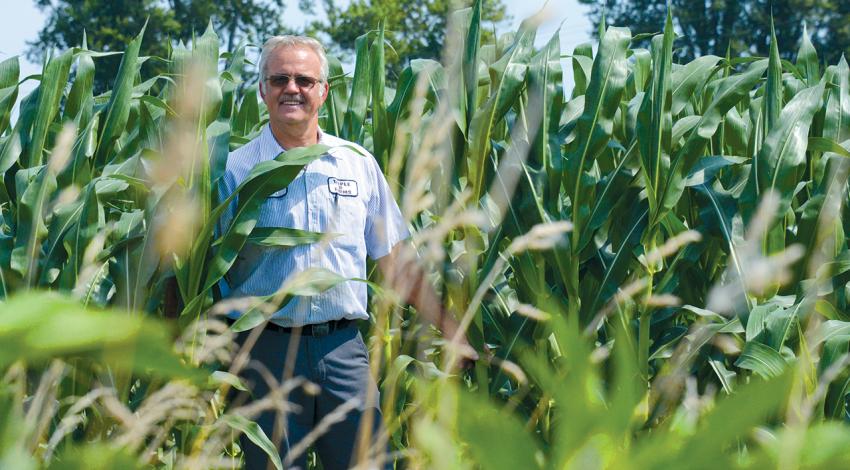
Roger Rank standing in a cornfield

Roger Rank has grown popcorn on his fields near Van Wert for almost 40 years. For much of that time, the early part of each harvest has had to go to waste in order to comply with some of the regulations and demands of the distributors who bought the crop.

But lately, he’s found a use for those first kernels of the season. Instead of disposing of them, he donates a portion of that crop to various organizations.

Nick Mascia looks for damage on a turbine.

During the year’s milder periods, a peaking facility like the Greenville Generating Station might go six weeks without spinning up to produce electricity for Ohio electric cooperative consumer-members.

However, when extreme heat or a disaster strikes, the plant answers the call. For example, when tornadoes caused devastation around Celina last Memorial Day, Greenville was online around the clock for the next three days.

The really interesting part? For either extreme, it’s up to a crew of only four to make sure the power stays on.

Cardinal Plant Manager Bethany Schunn and Sustainability Lead Julie Jones smile together for a picture.

Part of the process of removing sulfur dioxide (SO2) from emissions at the Cardinal Power Plant involves the use of limestone. The process is complicated and can be messy, and when heavy deposits build up in the scrubber, the entire generating unit must come offline.

An employee at the plant suggested adding a chemical to the process that not only would allow for less limestone to be used, it would reduce those deposits in the scrubber — meaning lower maintenance time and cost.

Marc Armstrong, director of government affairs for Ohio's Electric Cooperatives, appears on TV next to a landscape of a farm.

Electric cooperatives have a long history of providing service where there was an unfilled need. It’s a story that especially resonates with Patrick Gottsch.

In the late 1990s, Gottsch, then a sales executive for a successful livestock auction, looked at cable television lineups around the country and noticed something missing: there was no rural-focused programming anywhere on the dial.

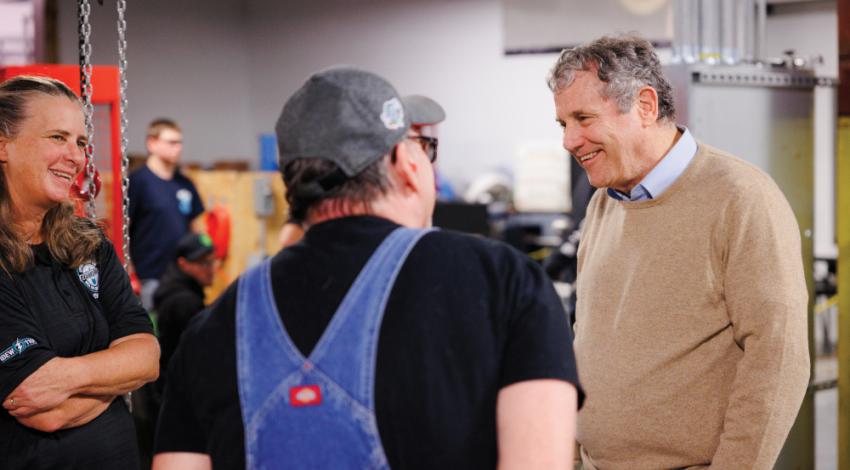
Cooperative leaders sit around a table talking with Senator Sherrod Brown

The 2016 elections demonstrated the influence of rural voters — and, therefore, let elected officials know in no uncertain terms to pay attention to the needs of rural America.

While the National Rural Electric Cooperative Association has a team of government affairs professionals lobbying Congress every day, local cooperative leaders make an annual trek to Washington, D.C., every April so those federal policymakers hear directly from folks from their district or home state.

Brothers Frank and Jake Wells stand together for a photo.

Electric cooperatives are often thought of as “family” — after all, they share common principles and a commitment to their communities that make for relationships that go deeper than just another business or utility.

Sometimes, though, “family” is literal. Line work, especially, is a profession that often sees fathers and sons or brothers, perhaps, follow in each other’s footsteps on the job. Here are some of their stories.