The holiday season, to many people, means food, decorations, plants, and all kinds of delightful activities. But those same joys can be dangerous, even deadly, to some members of the household — and nothing can spoil good cheer like a trip to the veterinary ER.
There are loads of things that you might not give a second thought to around the holidays that can be really harmful,” says Jennifer Morrow, one of the veterinarians on staff at Lancaster Animal Clinic in Lancaster and a member of South Central Power Company. “Lots of holiday foods pose major hazards to animals, and some potentially dangerous decorations to them just look like toys.
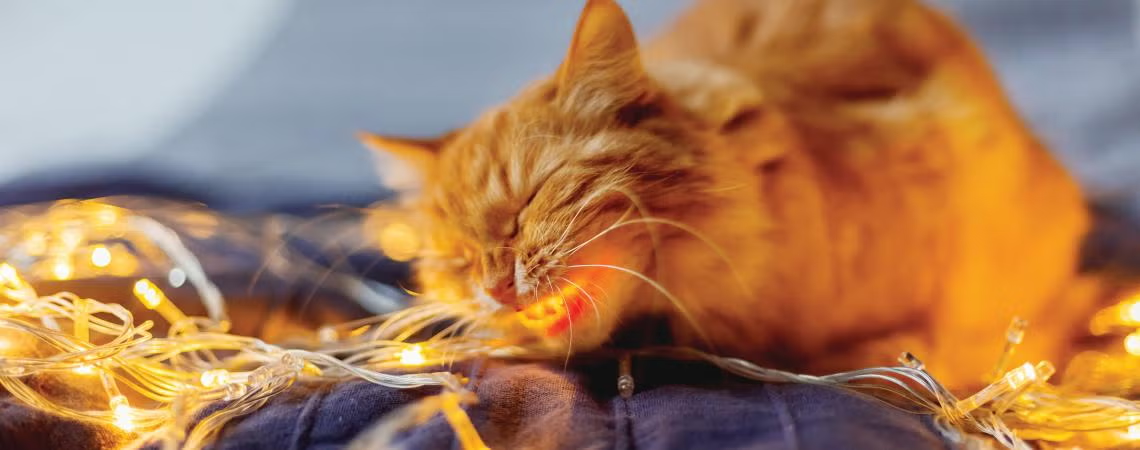
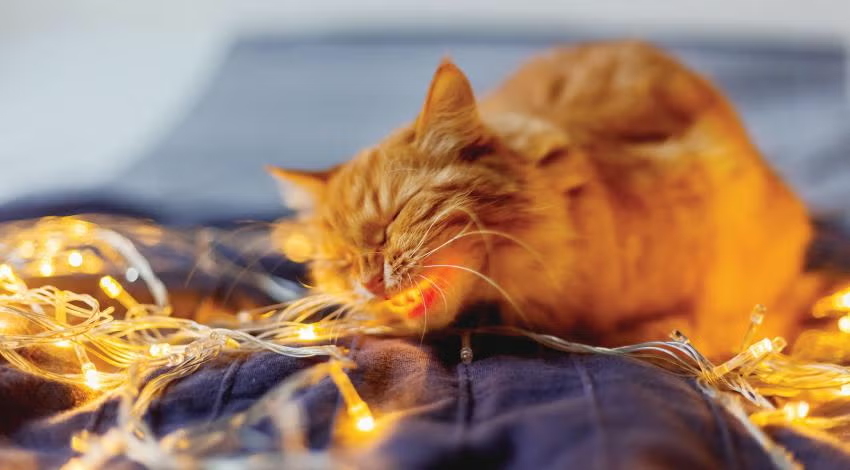
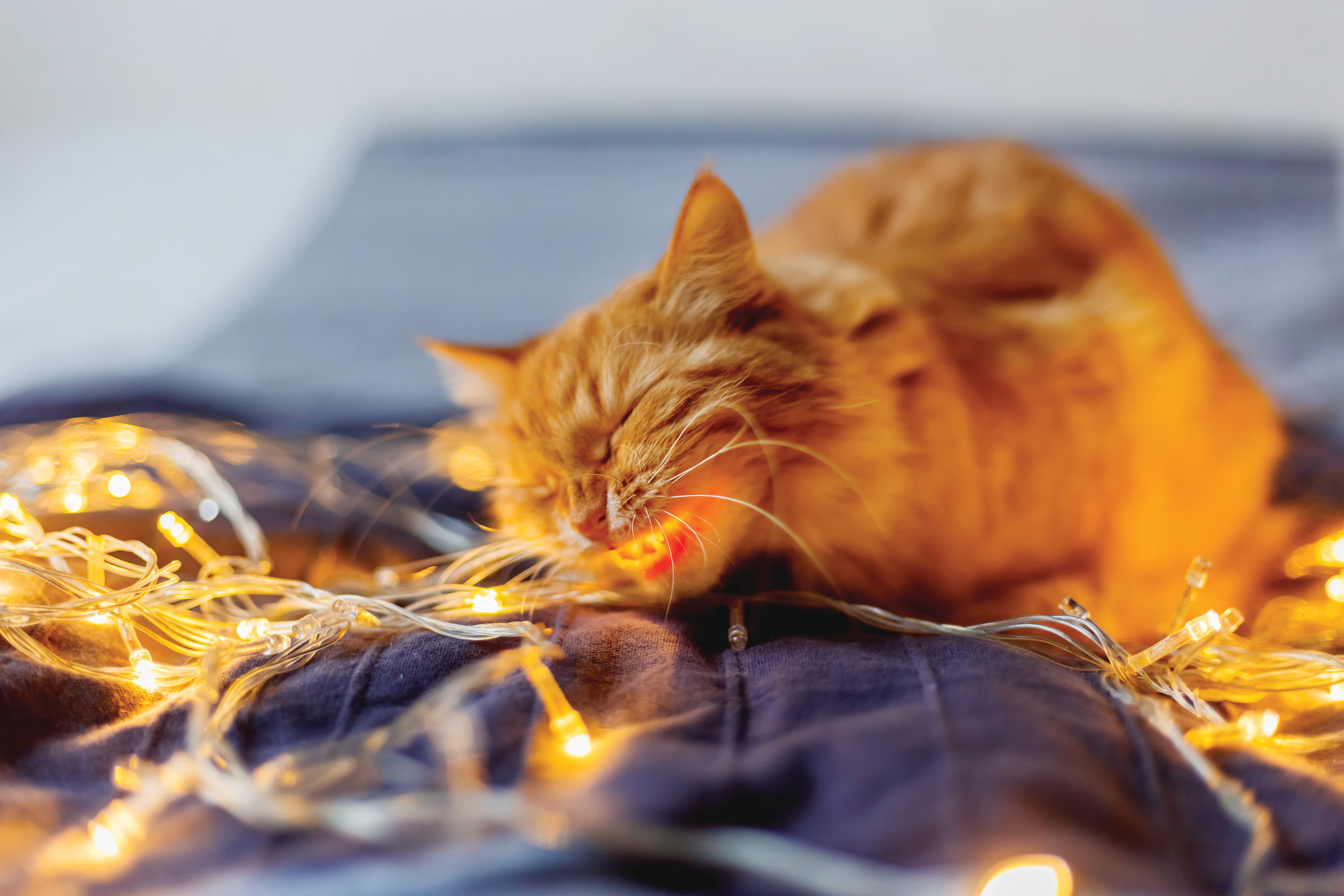
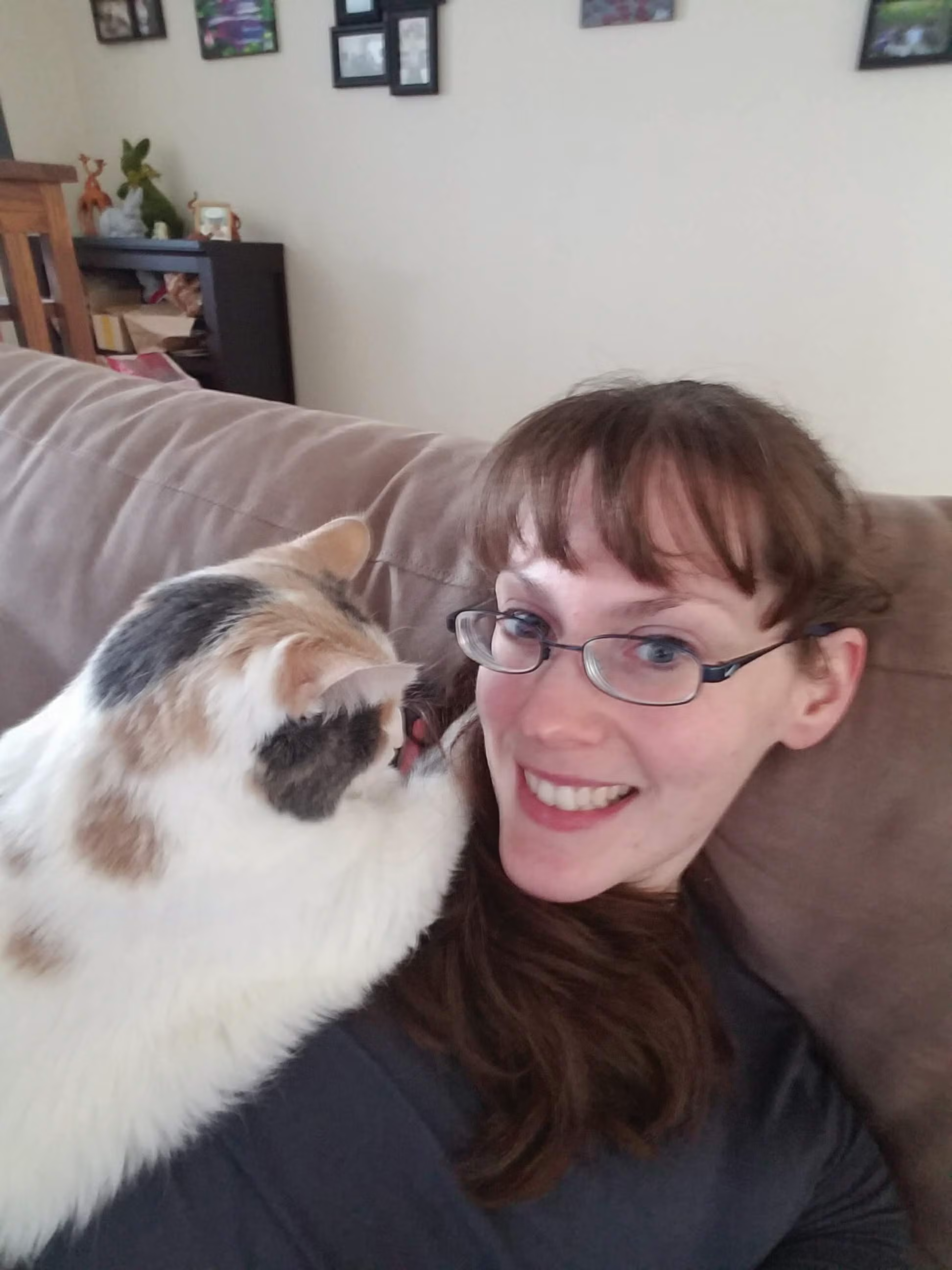
Veterinarian Jennifer Morrow, a South Central Power Company member who practices at Lancaster Animal Clinic, says danger lurks for pets during the holidays in places their owners rarely think about — such as electric light strands that curious cats may think would make a fun toy.
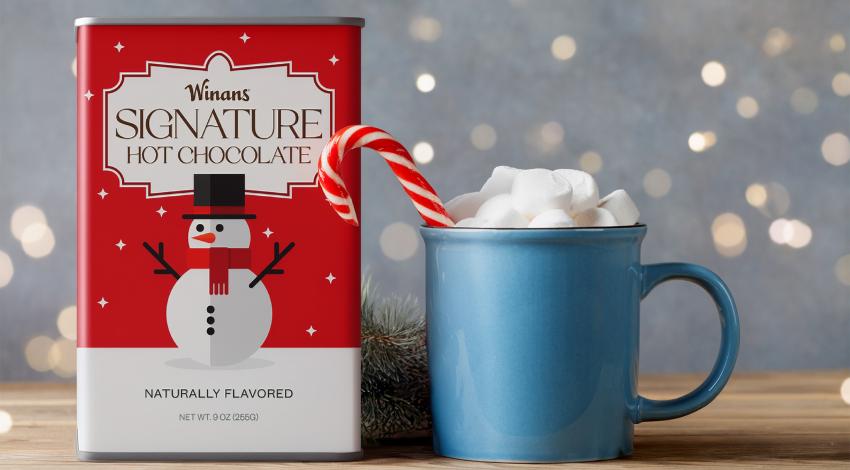
Most pet owners already know that chocolate tops the list of hazardous foods, though they may not know that it’s specifically because of theobromine, one of its ingredients, which can be fatal for dogs and cats.
"The darker the chocolate, the more theobromine in it,” Morrow says. “And if you’re baking, squares of baking chocolate and cocoa powder are also dangerous."
Raw yeast dough is another common holiday hazard because it can rise inside an animal’s digestive tract and cause a blockage. The artificial sweeteners in sugar-free and low-sugar candy and other foods can cause an animal’s blood sugar level to plummet dangerously low.
High-fat foods like eggnog, whipped cream, ice cream, fatty meats, and gravy can cause vomiting and diarrhea or more severe gastric illnesses. “We always see cases of pancreatitis in dogs and cats after a holiday because there is so much high-fat food around and people just give them too much,” Morrow says.
That includes grease from cooking pans, which should be disposed of in tightly closed containers, and trash cans that can’t be knocked over or opened by pets. Morrow recalls a man who poured leftover turkey grease onto his gravel driveway. His dog swallowed some stones while licking up the grease and required emergency surgery.
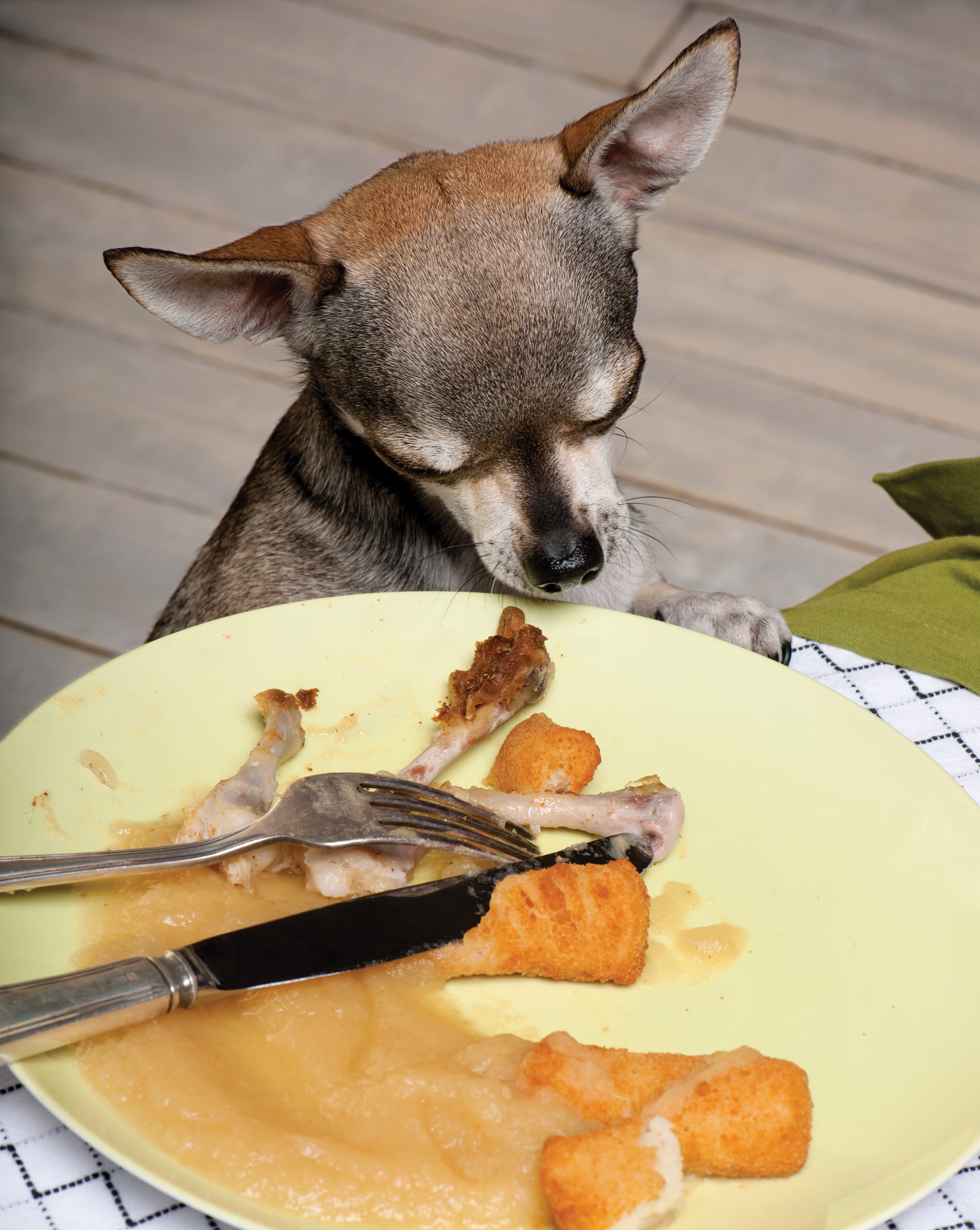
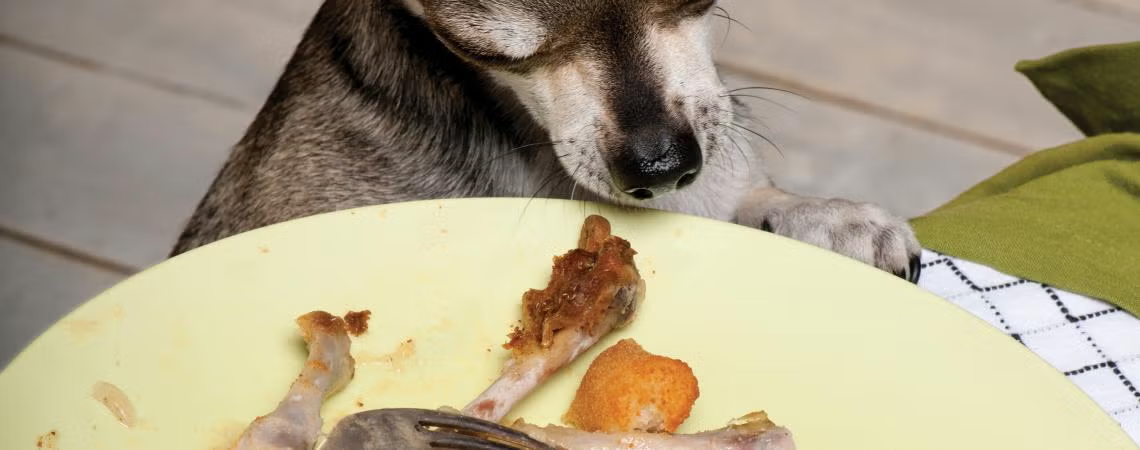
Meat bones, say, from turkey or ham, can also pose a hazard; fragments or entire bones can get stuck in an animal’s digestive tract or perforate it. Ham and other cured meats also have too much salt for pets.
Morrow cautions that cats and dogs who consume garlic, garlic powder, onions, or onion powder can develop anemia. Raisins, grapes, and all alcoholic drinks are also not safe for them.
As to the decorations, those holiday plants can also cause problems for pets. Morrow says poinsettias, while not deadly, secrete a sap that burns animals’ mouths. For cats, “mistletoe, holly, and lilies are the worst. Even licking pollen from these plants can make them very sick.”
Cats, of course, also love to bat at Christmas tree ornaments. Morrow advises hanging only cloth or non-breakable ornaments on the lowest branches so they can’t be pulled off and broken, as broken ornaments can cut paw pads.
Older snow globes are another hazard, as they contain antifreeze. If they break, pets can be poisoned if they lick up the sweet-tasting liquid.
Chewing electric light cords can cause electrocution, so pet owners should make sure teething kittens and puppies have safe chew toys. “Cats, especially, like to play with long stringy items — ribbons, tinsel, garlands, knitting yarn,” she says. “Unfortunately, strings can get stuck around their tongues or in their intestines. String of any kind is pretty dangerous for them.”
Lit candles, of course, simply aren’t safe around pets. Also, birds and pets with asthma should not be breathing air with potpourri or room scents infused with lavender or other essential oils.
Visitors — especially small, shrieking children — can frighten cats or dogs. The animals may bite or scratch in self-defense, and pets can escape quickly through a door left open and get lost or injured outdoors. Morrow advises fixing quiet spaces for pets where they can stay away from company and noise. Put their food, water, and bed or crate behind a closed door or in the basement.
A final note: A new cat or dog can be a wonderful gift — but arriving at the peak of holiday excitement, to unfamiliar people and surroundings, is usually stressful for a cat or dog. Morrow suggests paying the shelter or breeder and arranging to collect the new pet well before or after the busiest days.
Pet peril
Resources for pet owners to learn more about plants that are potentially poisonous to pets:
ASPCA Poison Control: 888-426-4435;
www.aspca.org/pet-care/aspca-poison-control
Pet Poison Helpline: 855-764-7661;
www.petpoisonhelpline.com