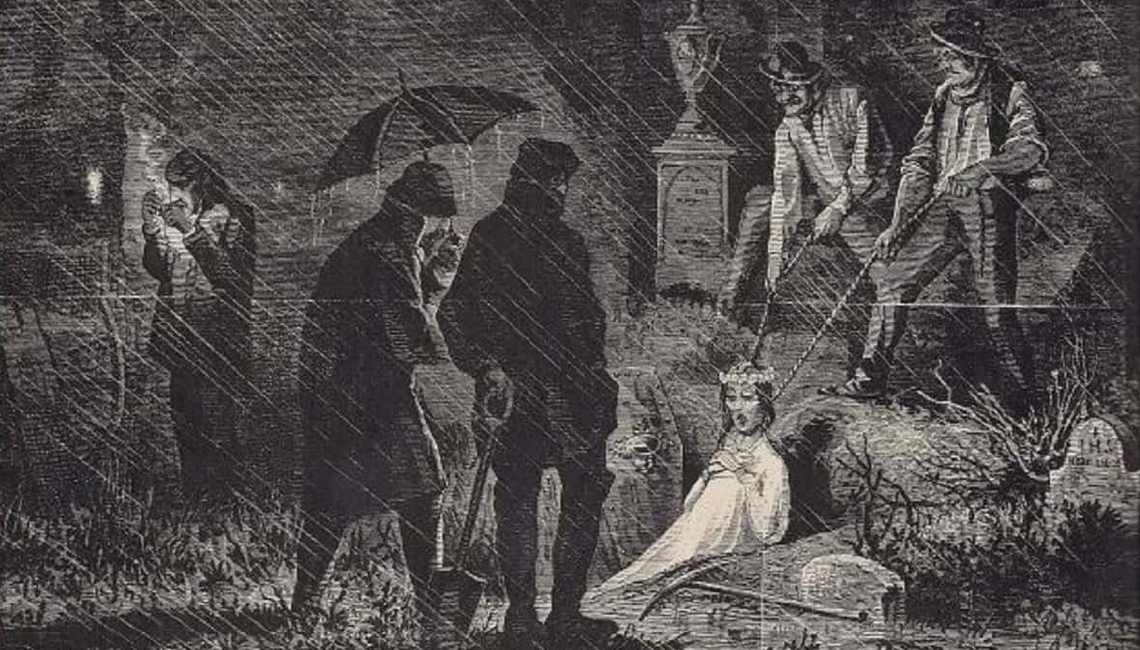
On February 17, 1871, the Ohio State Journal published a letter to the editor describing what the writer said was a dire situation of neglect at the graveyard at the Ohio Penitentiary: “Their bodies are buried by days, to be dug up at night by unforbidden resurrectionists.”
That eerie scene, in truth, could have referenced any of several cemeteries throughout Ohio. Newspapers of the day seldom mentioned specific instances of the crime of grave robbery, but those within specific locales sometimes referred to the opening of school sessions with a macabre notice something like, “As the medical colleges in our vicinity are about to commence … it behooves every good citizen to be on the alert to prevent grave robbing... .”
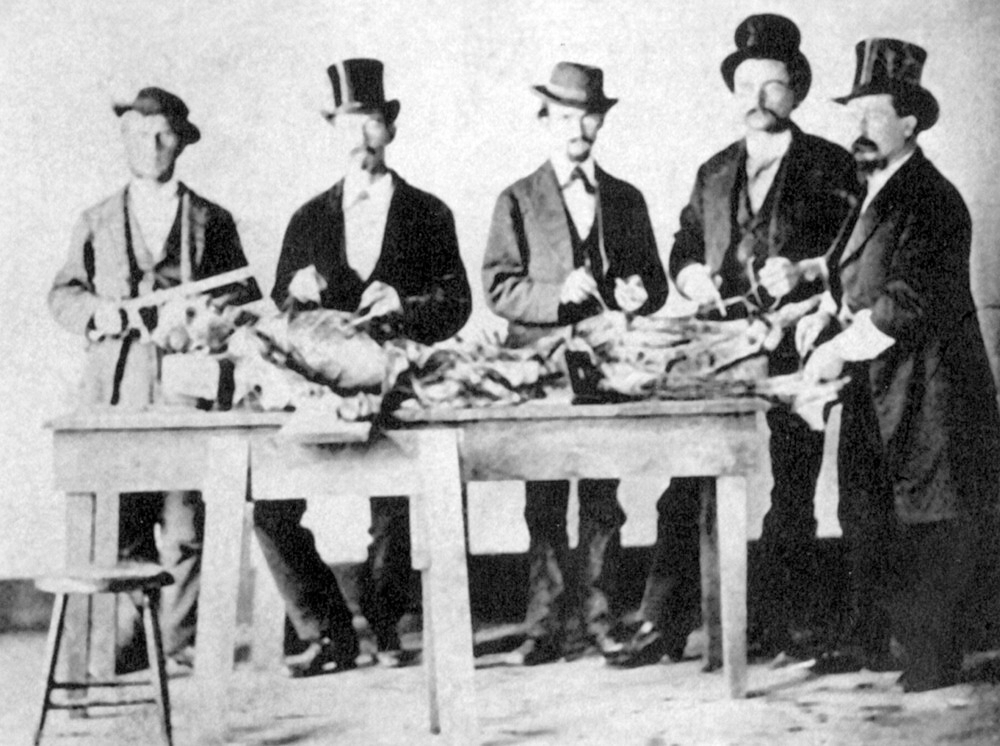
Imagine you’re a medical student in the 1850s. The law prohibited the use of real cadavers, so the only learning tools available to study human anatomy were illustrations in textbooks. For a future surgeon, that wasn’t an efficient way to learn your way around the inside of a patient. And how could you be expected to acquire needed skills — handling the scalpel, for example — without a real human body on which to practice?
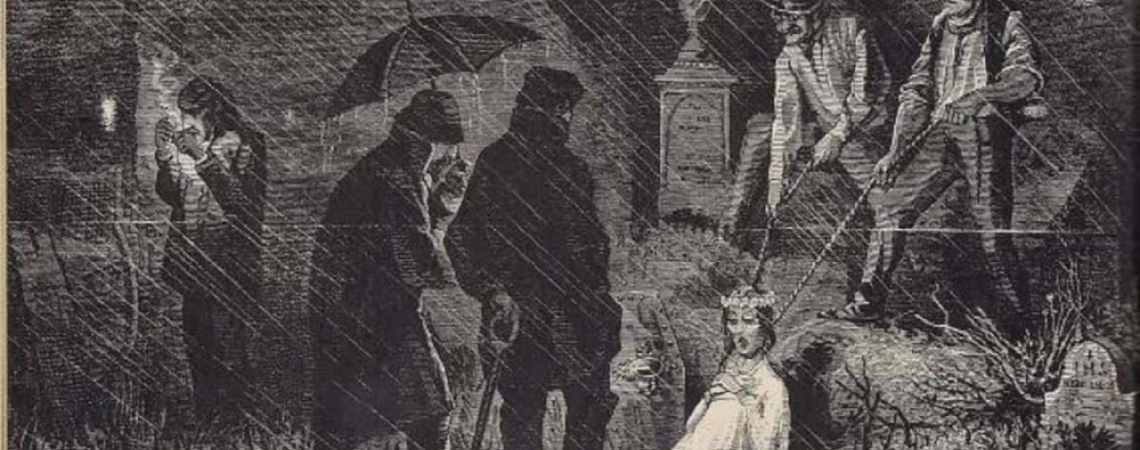
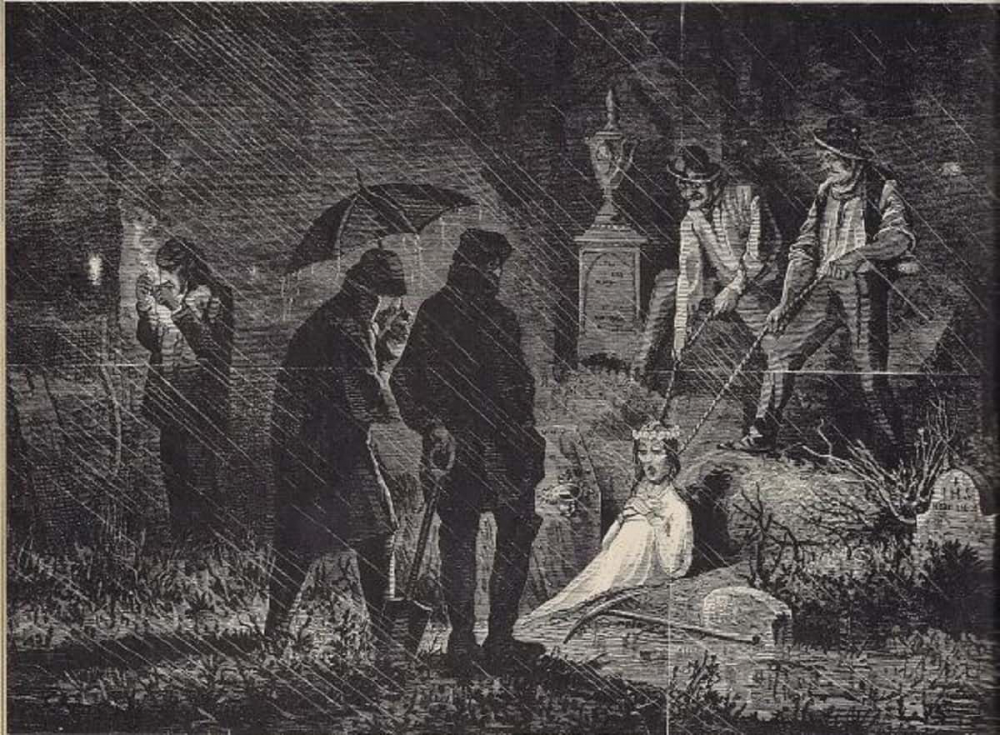
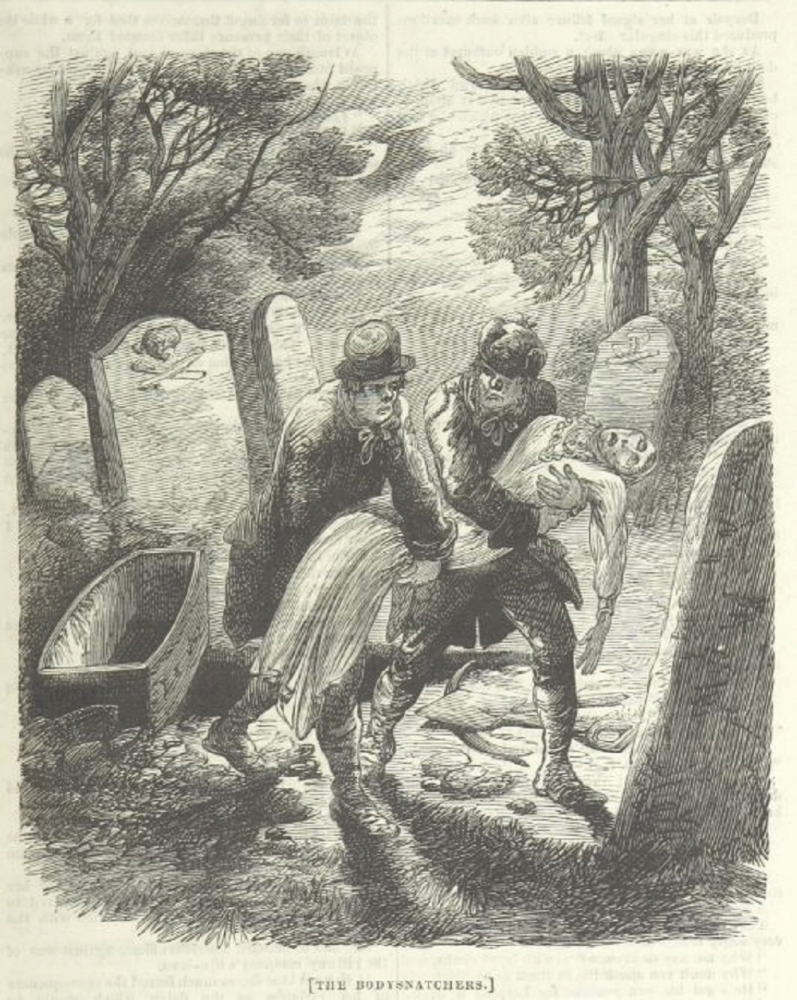
The expressions “body snatching” and “grave robbing” characterize the act of surreptitiously misappropriating cadavers from their eternal resting places, usually with the intent of peddling them for profit.
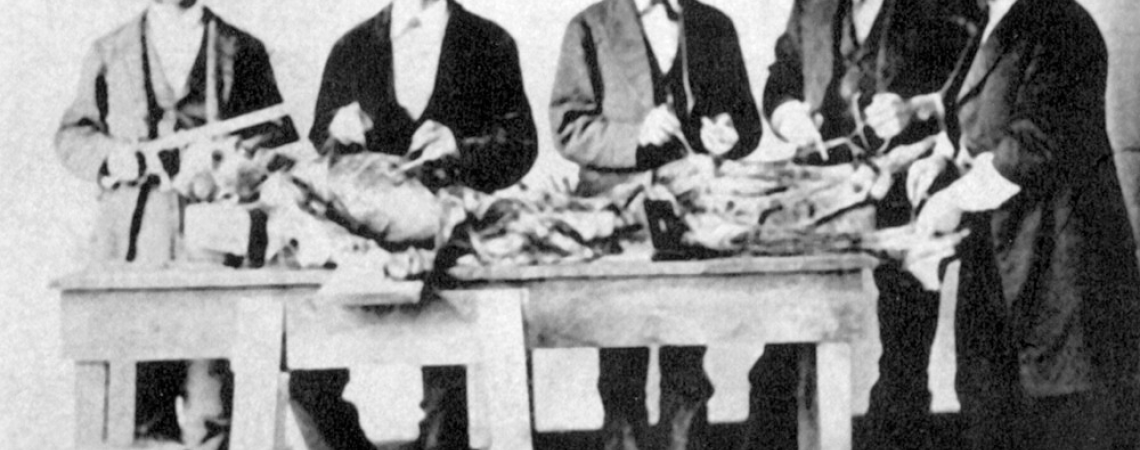
Students enrolled in the departments of medicine at various Ohio medical schools soon discovered the answer to their quandary lay inside the gates of the local graveyards.
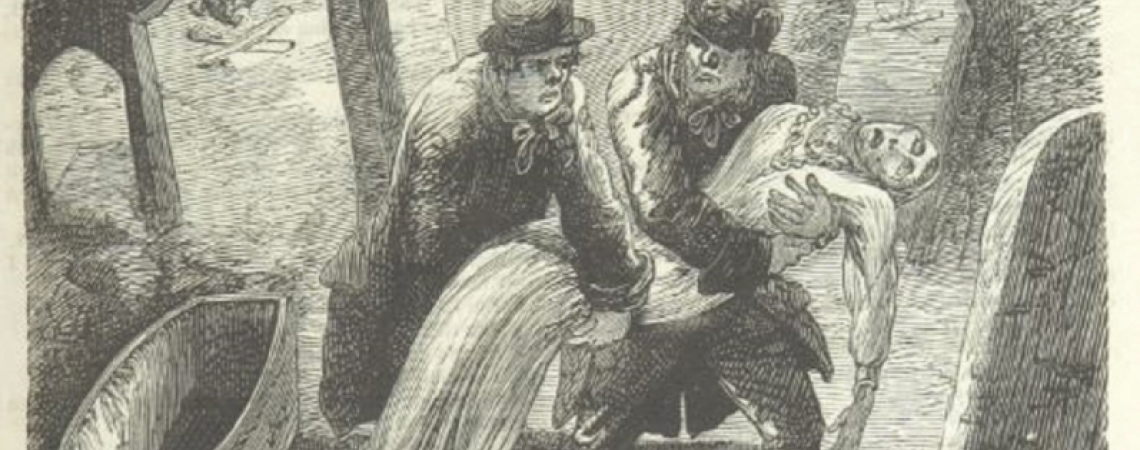
The expressions “body snatching” and “grave robbing” characterize the act of surreptitiously misappropriating cadavers from their eternal resting places, usually with the intent of peddling them for profit. To the general public, the idea of using snatched bodies for the purpose of dissecting was abhorrent — it was as serious an offense as body snatching itself. But it was a common occurrence in the 1800s, especially in the environs surrounding medical schools.
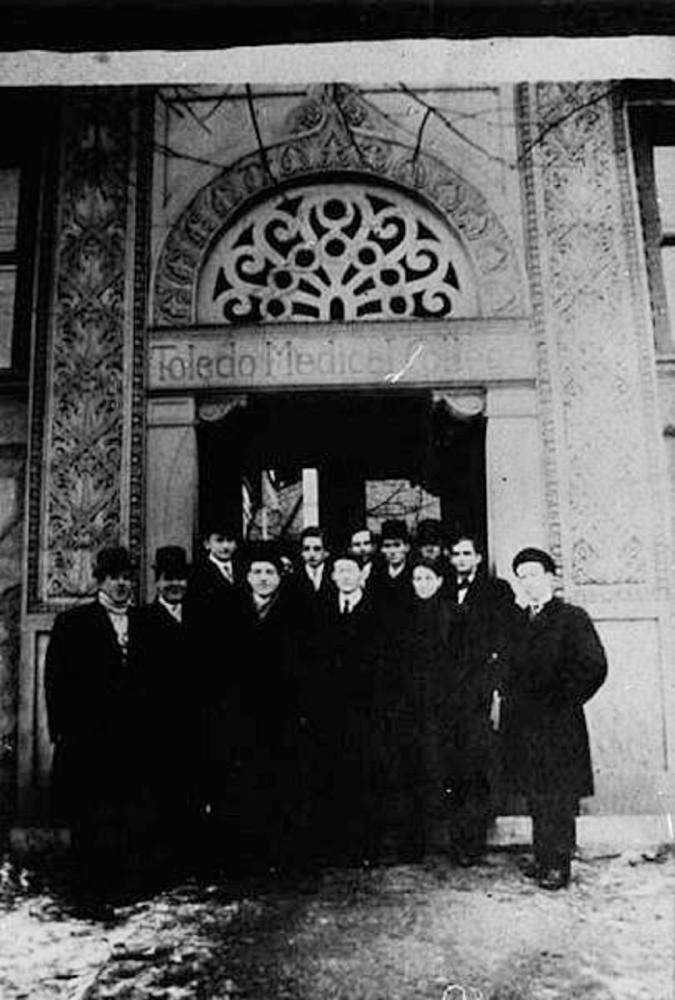
In the 1870s, authorities suspected a grave-robbing syndicate was running rampant in Cleveland, snatching hundreds of cadavers from the Calvary, East Cleveland, Erie, Monroe Street, and Woodland cemeteries. In April 1878, one Ohio newspaper wrote, “Attempts at grave robbing at Toledo are reported daily.”
Perhaps nowhere was it more common than in Cincinnati, which was home to no less than nine medical schools, and in that era, medical students (and occasionally professors) bore the responsibility to secure their own cadavers to study. It was not unheard of for the students themselves to disinter the bodies, but oftentimes, they hired professionals.
Grave robbing was a financially rewarding trade, and many a Cincinnatian, shovel in hand, flocked to the unsettled earth of the city’s fresh graves. William Cunningham, a notorious grave robber well known in Cincinnati as “Old Man Dead,” would disguise the corpses that he had just pulled from the grave by having them sit next to him on his wagon as he drove through town, according to his 1874 obituary in the Cincinnati Enquirer.
Working in teams of two (or sometimes three) men, body snatchers usually targeted fresh graves. Obviously, unsettled earth was easier to push a spade into, and a fresh grave also offered the most viable cadaver. Tools of the trade for a professional grave robber were few indeed: a spade (likely of wood, since silence was of the greatest import), a key-hole saw or crowbar, and a length of rope.
Medical colleges were often called out for body snatching, which usually resulted in public uproar against the practice, which then died down — until the next time.
The case that finally drew enough outrage and began to curb the practice was that of John Scott Harrison — the son of President William Henry Harrison and the father of President Benjamin Harrison.
John Scott died in May of 1878 and was buried in a family plot near a nephew who had died a few days earlier. But during interment, relatives discovered the nephew’s body had been snatched, resulting in a widespread corpse-hunt of nearby medical schools.
A few days later, a search party discovered a cadaver in a building at the Medical College of Ohio — which upon inspection turned out to be the body of John Scott Harrison (the nephew’s remains were later discovered in a medical building at the University of Michigan).
The case drew such outrage that the Ohio Legislature took up the cause and passed the Anatomy Act of 1880, which legitimized the use by medical schools of unclaimed bodies of paupers, convicts, or any person who died in the care of the state.
The expanded access to cadavers, though still falling short of actual demand, began to make the body snatching business less lucrative, and therefore not quite worth the risk it still entailed. Then, when the practice of embalming came into use around that same time, it allowed preservation of legally acquired bodies at the medical schools, thereby reducing the need for frequent replenishment, and thus led to the ultimate demise of widespread grave robbing.