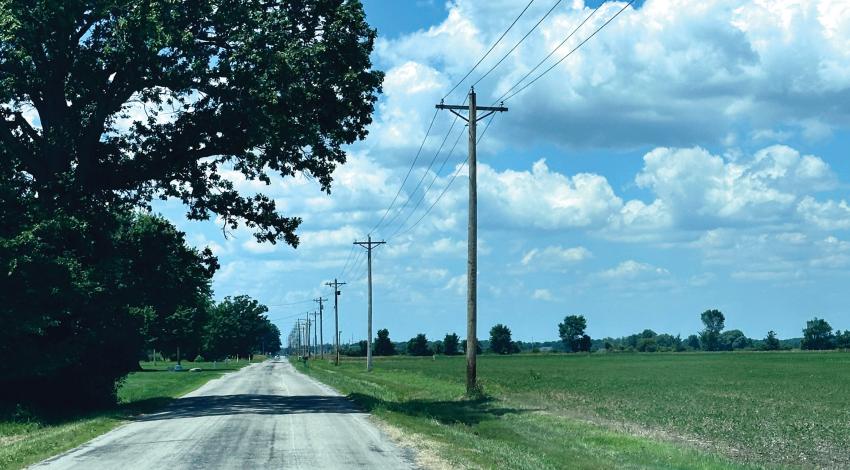
Nearly 90 years ago, electric cooperatives like Lorain-Medina Rural Electric were formed for a simple reason: For-profit utilities would not serve rural communities. The distances were too long, the costs too high, and the profits too uncertain. So, neighbors came together, pooled their resources, and built something they could own themselves. They believed access to electricity was not about profit, but opportunity.
That origin story still matters today.
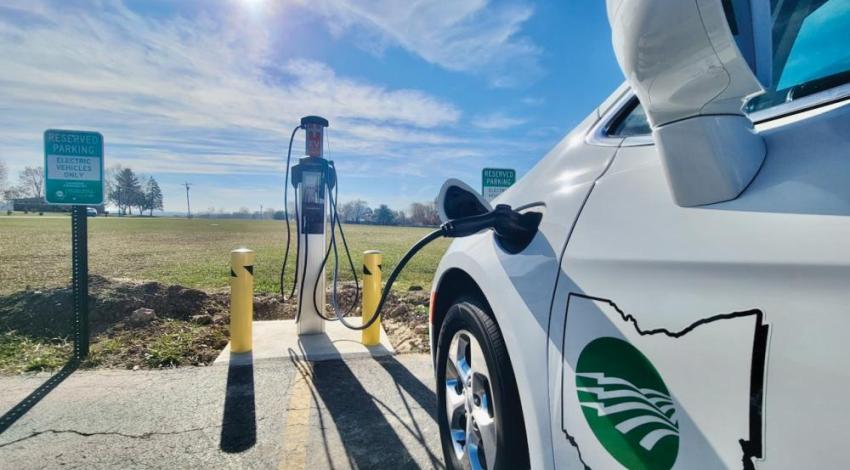
Seemingly every week brings a new story about how electric vehicles are growing in popularity. While that’s true in general, the trend isn’t consistent everywhere.
In Ohio, the penetration of EVs in rural regions is less than half of that in cities and suburbs. Electric cooperatives in the state recognize that there’s some portion of their membership that might desire an EV but holds back based on outdated or incorrect assumptions.
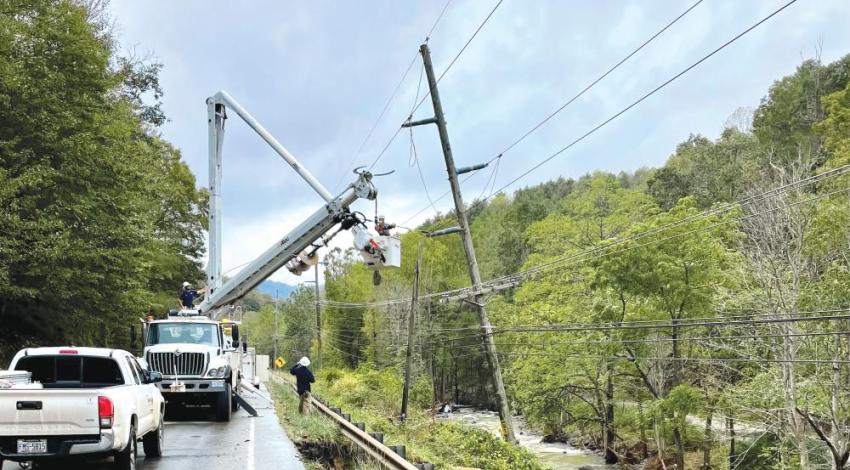
When electric cooperatives in North Carolina and South Carolina put out the call for help after Hurricane Helene barreled through in late September, Ohio answered.
When the Ohio group reached the Carolinas, what they found was shocking. In the western parts of those two states, Helene had left a mutilated landscape in its wake. Roads, bridges, power systems — in some places, even entire villages — had been washed entirely off Appalachian hillsides and into flooded valleys. Damage was widespread, and it was devastating.
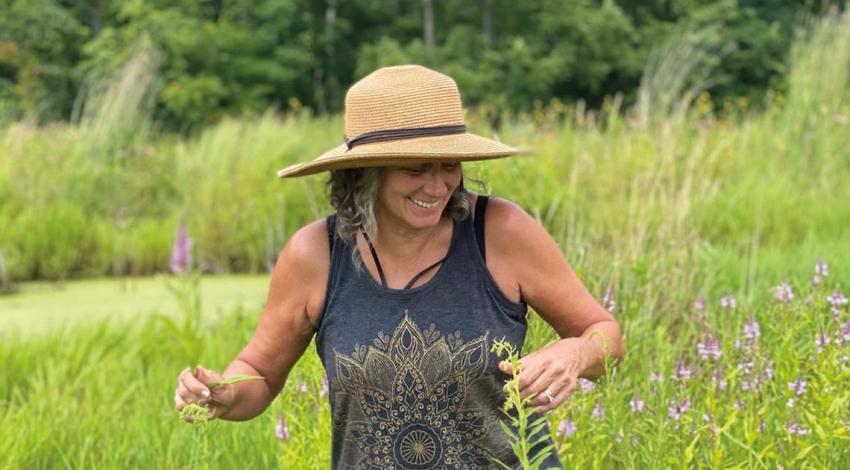
Jackie Driscoll paints her landscape with a palette of colors from native plants.
Driscoll has been gardening since she was a child. Her mother, who kept gardening until she died at 88, planted the joy of gardening seed in her daughter, and it still flourishes.
Jackie and her husband, Brian, lived in a Cleveland suburb while their children were growing up. Their property was small, but Driscoll kept adding plants to it. “My husband finally said, ‘You have to leave some grass,’” she recalls.
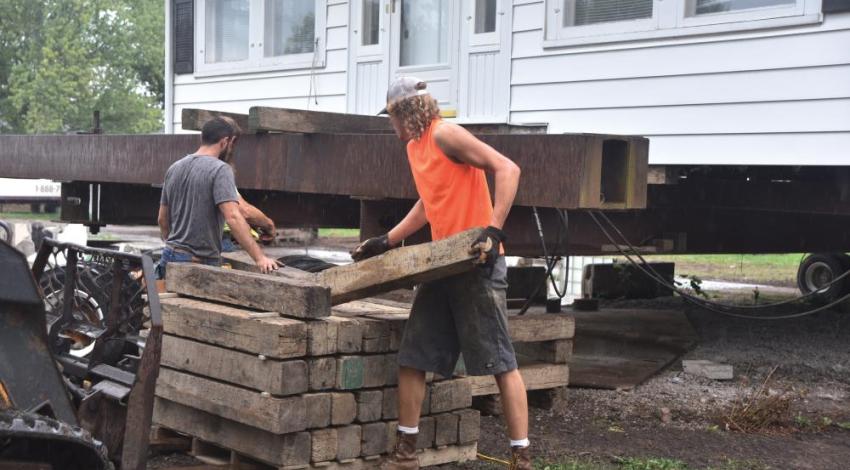
Jim Klier has been a mover for 39 years.
Klier has moved plenty of homes for lots of different reasons — some legal, like for zoning issues; others more sentimental. Klier’s moved a lot of older homes. Much older. Like an 1813 timber frame home on Lake Erie.
“Oh, heavens yes,” he says. “A home that’s been in the family for generations, for example. You really have to love the house to do something like that, to go through that process.”
When young Gary Stretar wasn’t playing sports, he was busy drawing something. He didn’t grow up to become an athlete, but two childhood influences cemented that second pastime into a rewarding career.
The first was his teacher in both fifth and sixth grades, Miss Paul. Stretar says he didn’t learn much more in college art classes than what Miss Paul had already taught him. “Teachers don’t always challenge kids to learn more, but she did,” he says. “She wasn’t afraid to teach us [advanced art techniques of] perspective, line, color values. A lot of us in her classes went on to art careers.”
The hours of bright sunshine that come with scorching Ohio summers often spur people to consider harnessing energy from the sky’s brightest star with rooftop solar panels.
Demarco Deshaies of Rockridge in Hocking County decided to investigate solar as a backup after losing electric service for several days following a devastating February 2022 winter storm.
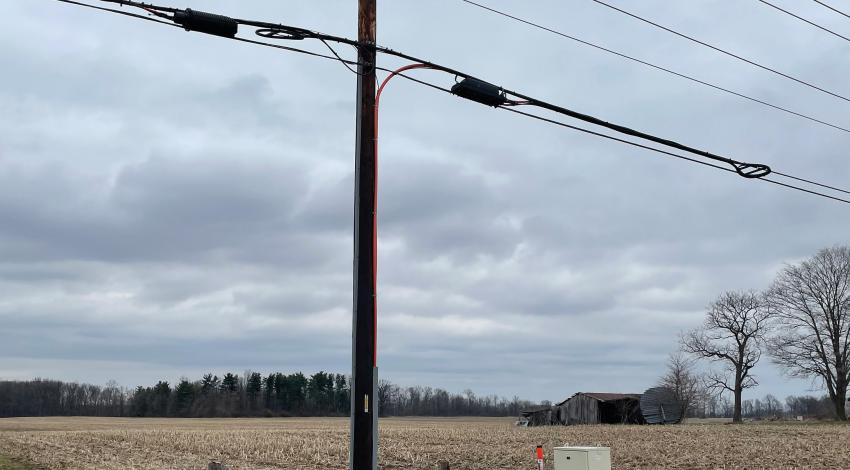
Anyone living in a rural area of Ohio knows there’s a problem with internet service.
Lack of high-speed internet access affects students’ ability to learn, individuals’ ability to work, and businesses’ ability to prosper, because every day the world is becoming more digital. Online classes, remote work, and Zoom meetings are becoming more and more the norm, and without broadband, those digital tools are simply unavailable.
There can be no doubt that electric cooperatives will play a part in bridging that digital divide.
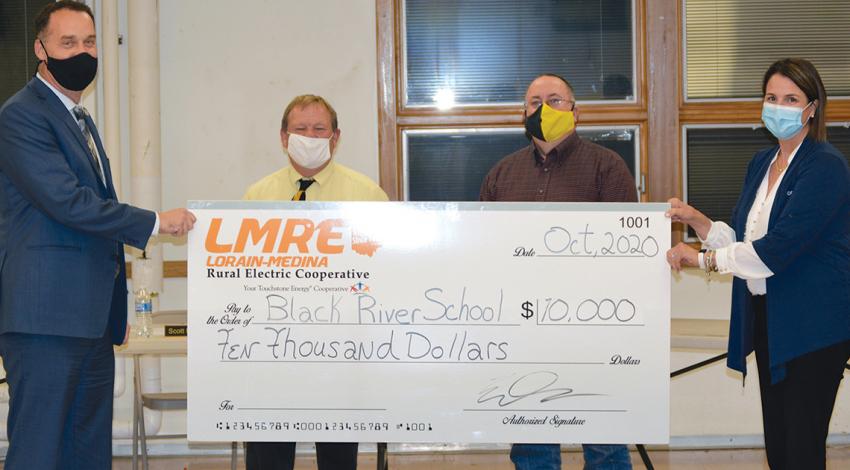
School districts across the country struggled with how to continue their operations through the COVID-19 pandemic. How could they keep kids and teachers safe during in-building instruction?
But the coronavirus did force changes. The district needed to find a way to teach the 230 students who chose online instruction, while keeping those in the buildings safe with increased personal protective gear and gallons upon gallons of sanitizer for hands and high-touch surfaces, as well as other incidentals that came up every day.
“Contrary to what anyone may think, these expenses have not been just a drop in the bucket, and there has not been much help forthcoming from the state or federal government,” Clark says. “All of our COVID-related expenses have really added up.”