This month, instead of our usual selection of lip-smacking, fully put-together, and kitchen-tested recipes, we’ve gathered some helpful hints and out-of-the-(recipe)-box ideas you can use to improve an old favorite — or rescue a work in progress!

There’s no need to run to the store because you ran out of salad dressing. Take advantage of items already in your fridge, pantry, spice rack, and garden and you’ll forget all about that pre-bottled stuff.
For beginners, start simple with a small batch of four-ingredient dressing: acid, oil, salt, and pepper. Find the ratio of acid to oil you prefer — it could vary from 4:1 oil-to-acid ratio to 1:1. Venture further with different flavors and sweetness, taste-testing after each addition.
Also, consider the salad you're making. For example, an apple, cheddar, and bacon salad would be complimented by lemon, Dijon mustard, and chives. A strawberry and snap pea salad could be paired with Champagne vinegar and raspberry jam, or a mozzarella, pepperoni, and tomato salad could stand up to a garlic-heavy dressing full of Italian herbs.
Go crazy and experiment! You can add flavor to a dressing by using things normally discarded, such as leftover liquid from jarred sun-dried tomatoes, giardiniera, olives, capers, or canned fruits. Versatile vinegars for salad dressing include balsamic, white balsamic, white wine, red wine, Champagne, rice, and apple cider vinegars.
Finally, raise your dressing game by adding an emulsifier — the “glue” that keeps the oil and acid from separating. Combine your acid, emulsifier, flavor(s), and sugar, then slowly drizzle in oil while whisking vigorously with a hand whisk. The combination of slowly adding the oil and constant whisking is key to the emulsion process. If your dressing begins to separate, try adding another teaspoon of emulsifier or warm water and whisk again, or pop it in the blender for a minute.
Pictured is a delicious example — this dressing was made with 1/3 cup lemon juice, 2 tablespoons Dijon mustard, 2 teaspoons fresh dill, 2 teaspoons honey, a dash of pepper, and 2/3 cup oil.
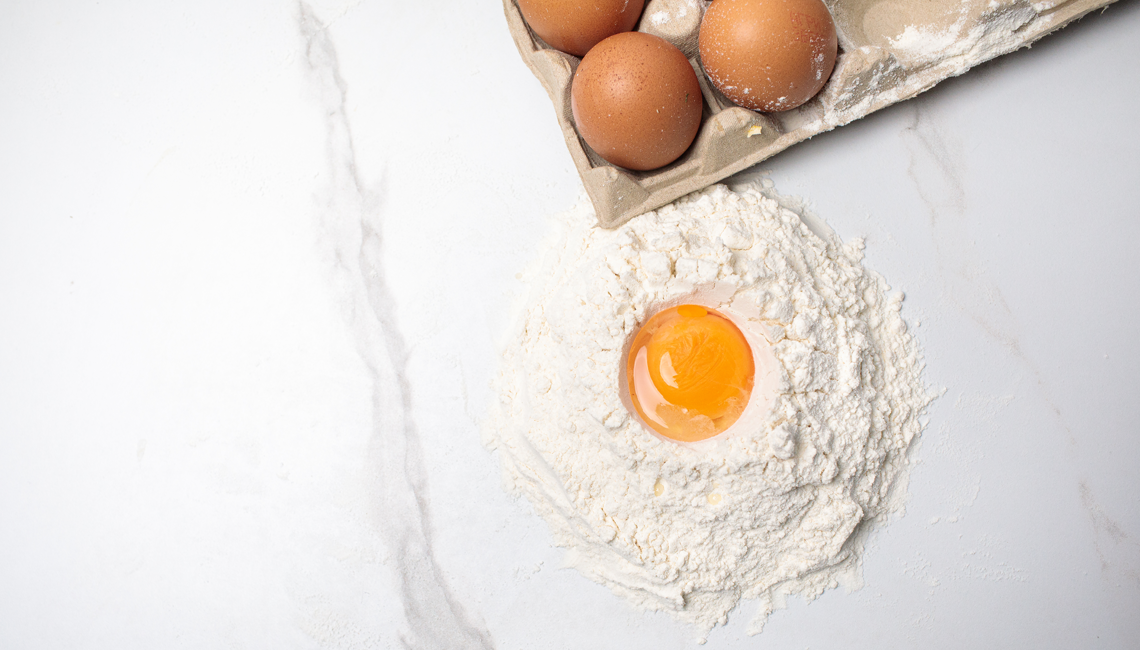
Perhaps you’re out of eggs, have dietary restrictions, are baking for a group and want to avoid cracking all those shells — or maybe you simply dislike eggs. Luckily, there are a number of substitutes for eggs that you can use in recipes that will achieve similar results — and you may already have the ingredients on hand.
Greek yogurt
¼ cup Greek yogurt has the additional bonus that it’s high in calcium, full of probiotics, and has twice the protein of a single egg. It’s best used in recipes with an additional leavening agent, such as baking powder.
Garbanzo beans
3 tablespoons aquafaba (the liquid in canned chickpeas/garbanzo beans) is a fine low-calorie, low-fat, and vegan option.
Applesauce
¼ cup plain unsweetened applesauce — it’s high in fiber and has only natural sugars, and it’s also vegan. It’s best used in recipes where there's an additional leavening agent, such as baking powder.
Ground flax seeds
1 tablespoon ground flax seed + 3 tablespoons hot water. Stir together, wait 10 minutes, and you have a perfectly useful substitute that’s vegan, is high in fiber and omega-3 fatty acid, and could help lower cholesterol. As a bonus, the mixture stores well in the fridge or freezer.
Apple cider vinegar
1 tablespoon white or apple cider vinegar + 1 teaspoon baking soda makes a fat-free, low-sugar, low-cost vegan option.
Sometimes you make a recipe that, for whatever reason, comes out watery or thin, and you need a way to thicken it up.
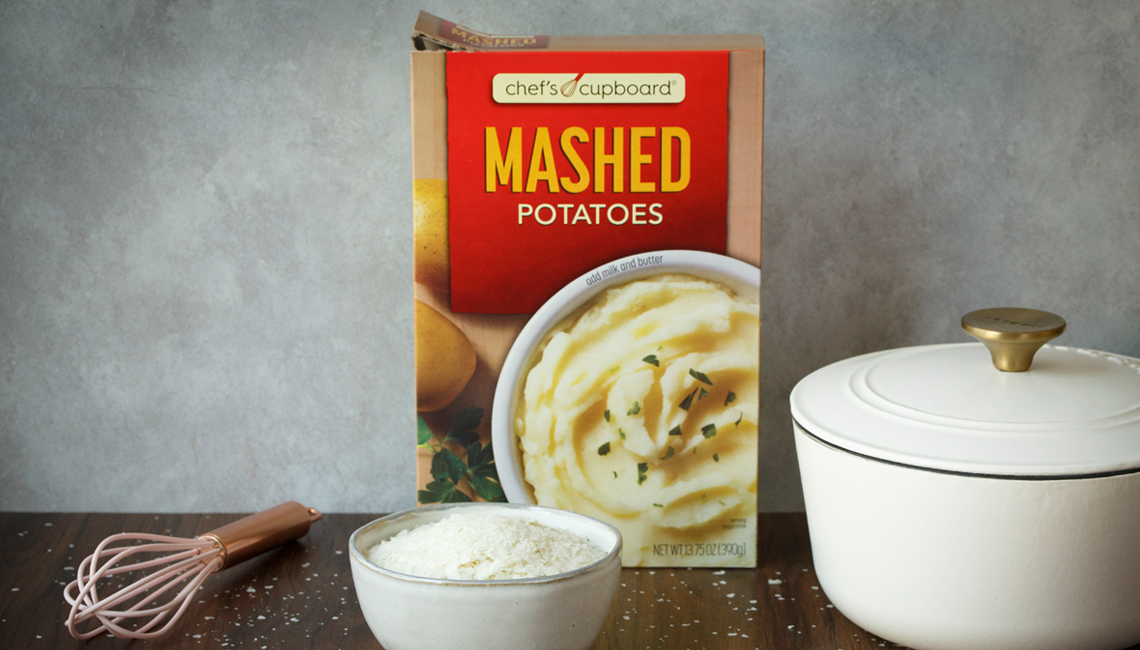
Unlike roux, which is prone to being undercooked or burnt, or cornstarch, which must be mixed with water first to avoid clumping, plain instant mashed potatoes are a quick and easy thickener that can be added incrementally until the desired consistency is reached. (Make sure to read the package for possible allergens.)
For hot foods in need of thickening, such as soups, stews, chowders, sauces, gravy — even casseroles — slowly sprinkle instant mashed potato flakes into the hot dish, wait 30 seconds for the liquid to be absorbed, then whisk/stir to incorporate and repeat as needed.
Looking for some other creative uses for instant mashed potato flakes? They make a crispy, yummy breading on chicken or pork chops (it’s even easier if you use a pre-seasoned version of instant potatoes). Or, use plain flakes instead of breadcrumbs in meatloaf. Instant mashed potatoes easily replace from-scratch mashed potatoes in gnocchi and pierogi. They also add a creamy richness to plain old mac and cheese.
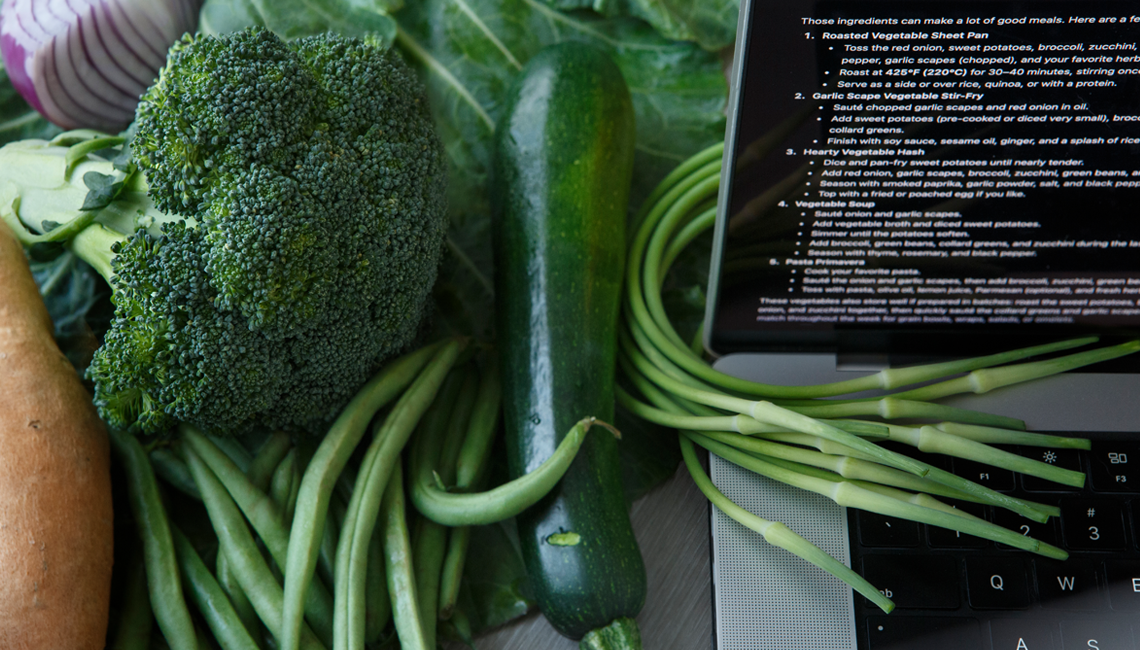
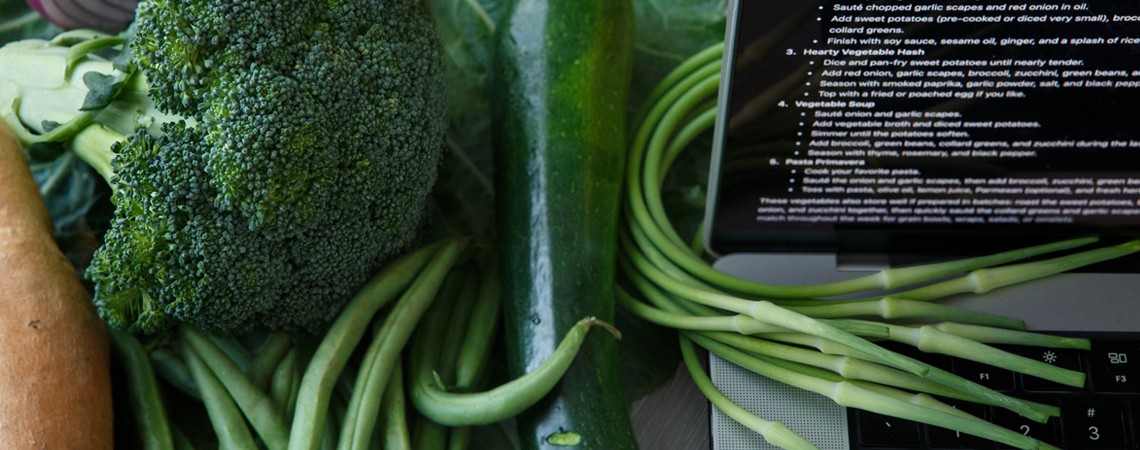
Have some food in the fridge you need to use up before it spoils? Stumped on what to make with your Community Supported Agriculture share? Wish the ingredients on hand could magically become a meal? Maybe AI can help.
There are several AI interfaces, such as ChatGPT, Google Gemini, or Microsoft Copilot, into which you can type the ingredients you want to use, hit enter, and voilà, a recipe appears! For example, the ingredients red onion, garlic scapes, sweet potatoes, broccoli, green beans, collard greens, and zucchini, copied into the prompt at ChatGPT.com, produced recipes (including instructions) for roasted vegetable sheet pan, garlic scape vegetable stir-fry, hearty vegetable hash, vegetable soup, and pasta primavera. Not bad for a robot!