voting

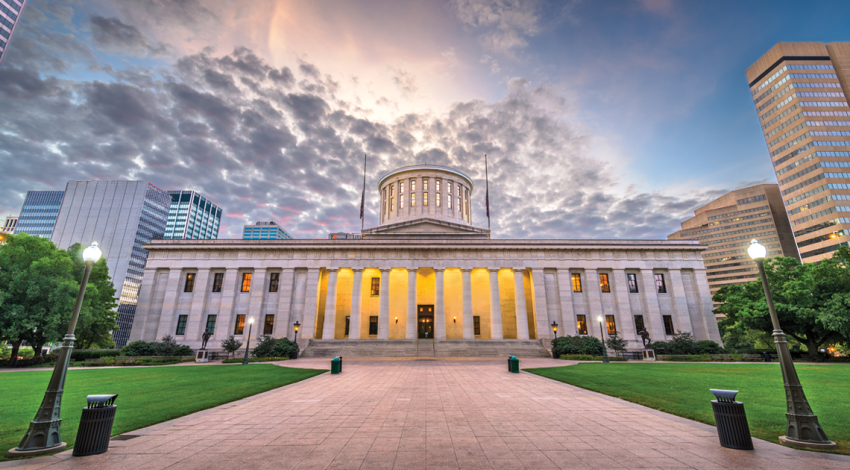
The Ohio Statehouse

Every law, regulation, and policy choice that touches the electric industry has the potential to affect the cost and reliability of the power that electric cooperative members depend on every day. For co-ops, political engagement is not about partisanship; it’s about making sure the people who make decisions understand the people who live with those decisions. 

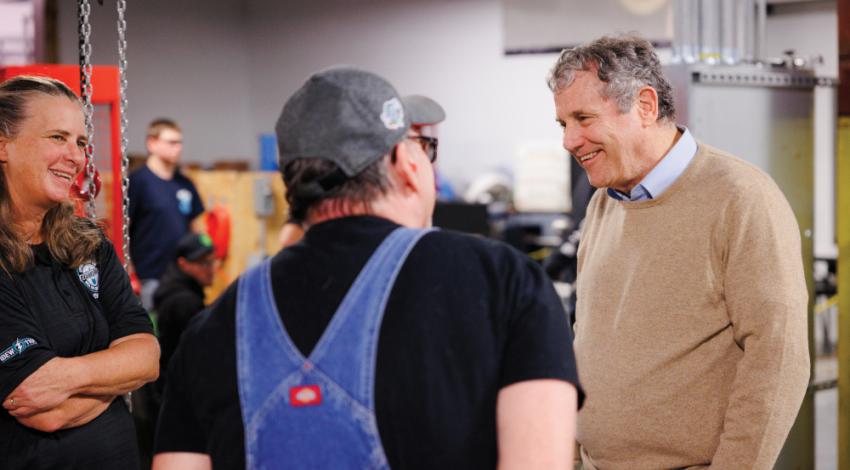
Sherrod Brown meeting with a group of people

Ohio’s rural communities are shaped by wide open spaces and deep local ties, by multi-generational farms and innovative small businesses. They’re connected both by a common desire to succeed and by the services and infrastructure that keep daily life moving.

Governor

Two candidates who have never held elected office face off for governor, as Republican Vivek Ramaswamy takes on Democrat Amy Acton. 


OHIO COOPERATIVE LIVING: What will be the issues of highest priority for your administration?

Your vote matters

Did you know Butler Rural Electric Cooperative is member-owned and operated? Co-ops are democratic organizations whose members have equal voting rights and can influence policies and decisions by participating in co-op elections. This concept — called Democratic Member Control — is one of the cooperative principles that guide our daily operations.

Microphone

More so than ever, public policies — more specifically, government policies — are driving energy prices, choices, and availability. We have experienced a dramatic run-up in the price of every form of energy in less than a year’s time. We continue to witness both actual blackouts and near misses on a more regular basis. Electric cooperatives across the United States and here in Ohio represent less than 10% of the electric industry, but we continue to be among the strongest advocates for reliable, affordable, always-available electricity systems.  

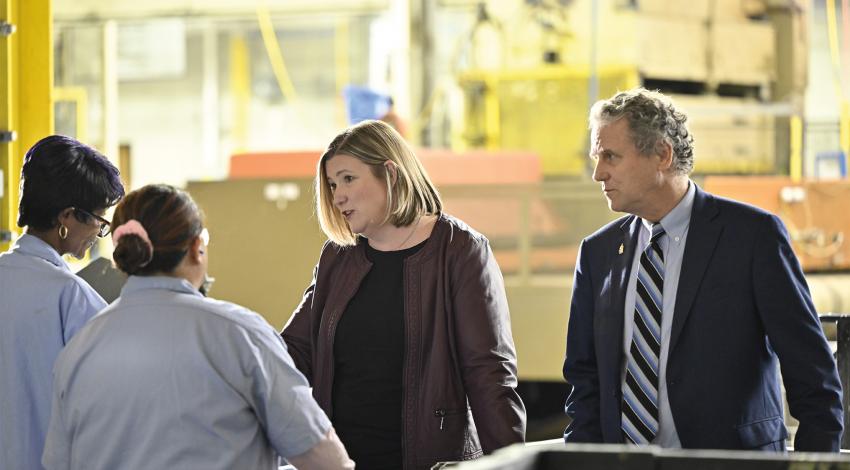
Democratic nominee Nan Whaley, the former mayor of Dayton, says she is committed to Ohio’s working- and middle-class families.

Ohioans head to the voting booth Nov. 8 for one of the most consequential midterm elections in recent memory. Among the many significant decisions voters must make is who will lead the state’s executive branch as governor for the next four years. 

If elected in November, what will be the issues of highest priority for your administration?

Mike DeWine: We must bring economic prosperity and hope to every part of Ohio. We must improve our economic development efforts in Ohio and focus on every part of the state. To succeed in a tech-focused economy, we are investing substantially in career education, job training, and workforce development. We are closing the digital divide so that all Ohioans have access to high-speed internet services, which will create opportunity for generations.