peak alerts
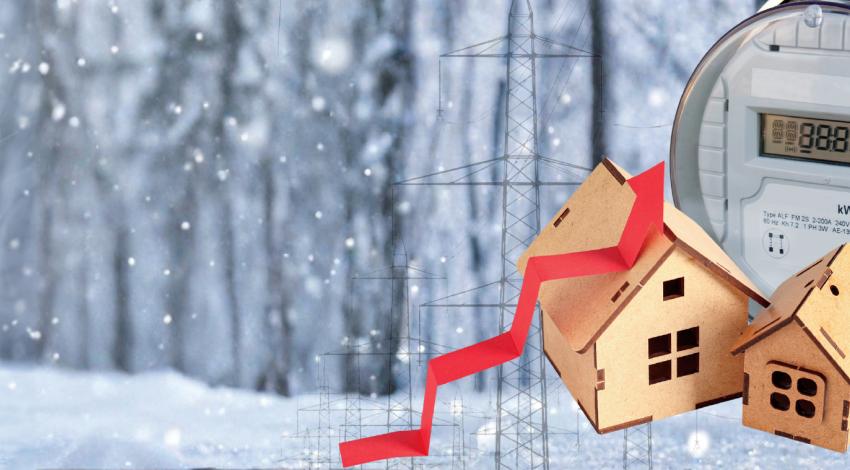

At about 4:30 a.m. one frigid Monday this past December, a signal went out from Columbus that temporarily switched off electric water heaters, furnaces, heat pumps, and geothermal systems in tens of thousands of electric cooperative members’ homes around the state.
Buckeye Power, the generation and transmission cooperative that provides the electricity Ohio’s co-ops distribute to their members, can reduce costs and ease strain on the grid by cycling those appliances off and on for short periods of time when the demand for power is at its highest. More than 100,000 co-op members in Ohio volunteer to participate in the program.

Cooperation among cooperatives is a principle ingrained in the cooperative business model and lived out by cooperative employees when we face challenges. This summer, we have already seen powerful storms tearing through much of Ohio — uprooting trees, breaking utility poles, disrupting electric service, blocking roads, and generally making a mess of things.
Sometime soon — perhaps sometime this month, but certainly in July and August — you’re likely to see a “peak alert” notice from your electric cooperative.
What’s the peak?
It’s important that consumer-members are aware of those peaks because electric rates for the entire year are based on the highest points of usage during the year, referred to as “peak demand.”