
Karen Sottosanti

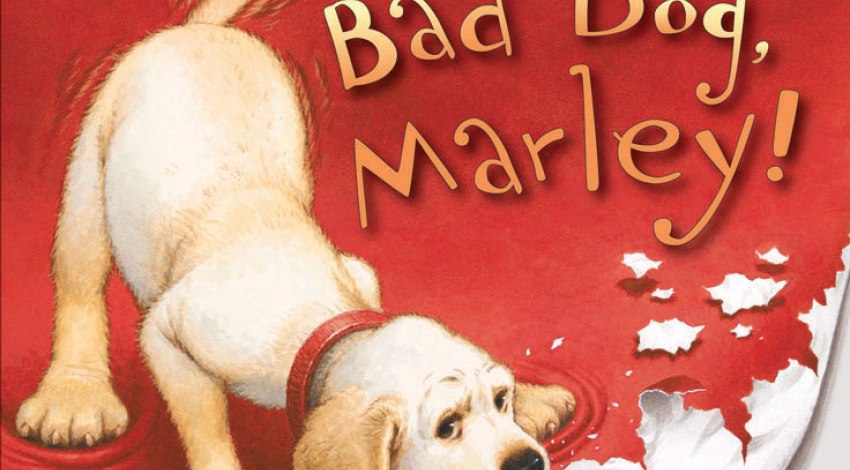
The cover of Bad Dog, Marley

Richard Cowdrey,

“A lot of the kids say, ‘I can’t draw that well.’ So I make sure to tell them, ‘An artist designed your shoes, your clothes, your chair. There’s an artist behind everything,’” Cowdrey says. “I love those lightbulb moments, when you see them get it.”

Cowdrey has lived in the Knox County village of Gambier for 30 years, where he’s a member of Newark-based The Energy Cooperative — though he tells people he’s been drawing “as far back as I can remember.” 
Bella Rogers’ devotion to Irish dance has taken her around the world. It’s propelled her to competitions throughout the United States and Canada and across the pond in England, Ireland, and Scotland.

In 2017, she began dancing at the Academy in Westerville, where she currently studies with instructors and World Irish Dance champions Byron Tuttle, a former Lord of the Dance and Feet of Flames dancer, and Edward Searle, a former Riverdance dancer. Since the studio moved to Westerville from Birmingham, England, in 2011, dancers who have trained at the Academy have won 25 World Irish Dancing championships in both the solo and team sections. “I’m very lucky to have a school so great so close,” Rogers says.

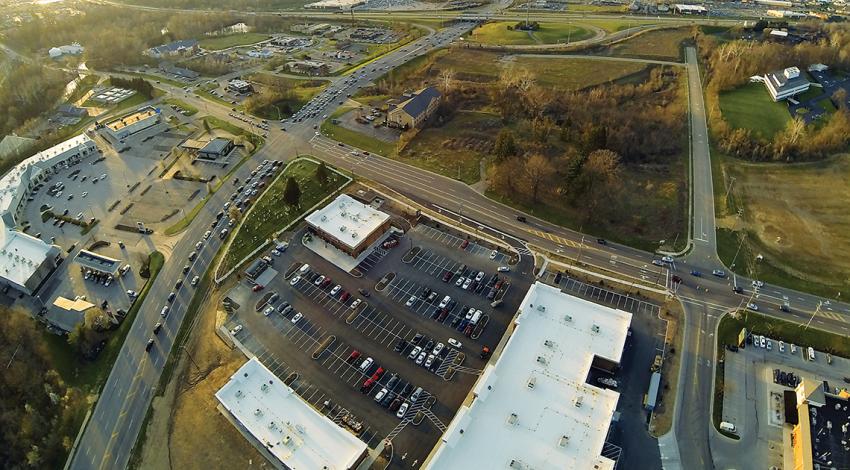
Suburban Columbus

Since electric co-ops were first established during the 1930s, they have served mainly rural areas of the United States.

“We continually beat the drum among our members about what the co-op is,” says Phil Caskey, president and CEO of Consolidated Cooperative, which serves eight counties in north-central Ohio. Caskey says that many residents of suburban areas, as well as former suburbanites who move into rural areas, are unaware of the differences between electric co-ops and large, privately owned electric utilities. In addition, rural co-op members tend to have a better understanding of the co-op’s place in the community, he says.