Features

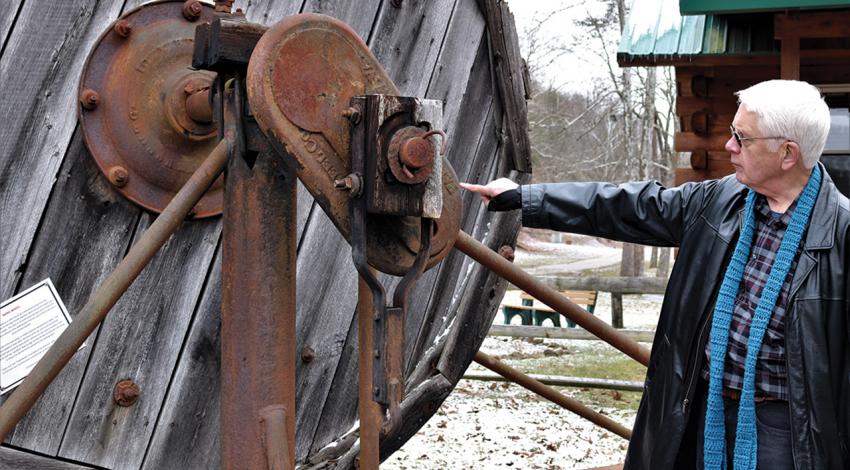
A man points to a part of the museum.

On August 4, 1879, before the sun rose over the craggy mountains in western West Virginia, the oil boomtown of Volcano turned into a “lake of fire.” By the time the blaze died, Volcano was almost gone. The post office, opera hall, bowling alley, saloons, and all but a few buildings had been reduced to ash.

The fire didn’t end Volcano’s existence right away, as a few remained to continue oil production, but what had been a bustling burg was on an irreversible path to becoming the ghost town that it is today.
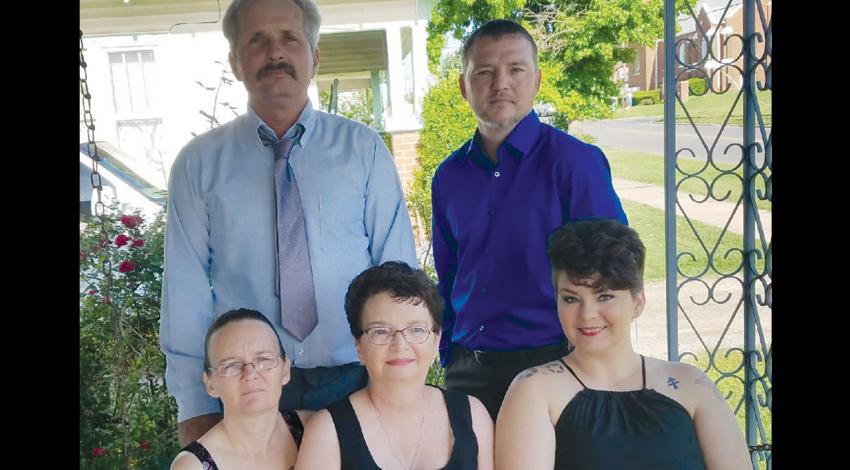
Chris Landers, top right, and his mother, Mary, bottom center, with his siblings and father last May. Landers, a lineman from Oklahoma, was killed on the job in 2017. (Photo courtesy of Mary Allison)

“I’m just waiting for him to come in the door going, ‘Got ya, mom.’ He was good at playing jokes on us all — but I know he’s not actually coming. It’s like a nightmare.”

Mary Allison speaks through teary eyes about her son, Chris Landers. She was on vacation with her daughter last September when she got the call that Chris, a 41-year-old lineman from Cordell, Oklahoma, had been killed on the job — electrocuted after leaning into a power line he thought had been disconnected for repair.

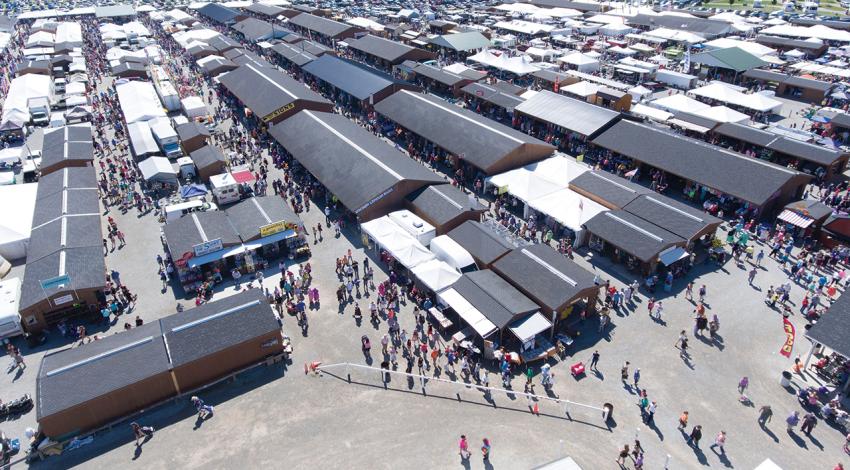
An overhead shot of Shipshewana Trading Place Auction & Flea Market packed with visitors.

It was 25 minutes past noon when I scored the last serving of the Friday lunch special — scalloped potatoes and ham — at the Auction Restaurant in Shipshewana, Indiana. Just seconds after I ordered, a young man sat down and asked for the special too. “It’s all gone,” said the waitress, a pleasant, middle-aged woman wearing an apron, plain blue dress, and white bonnet. “Well, I was wanting it all morning,” he complained, then settled for a prime rib sandwich.

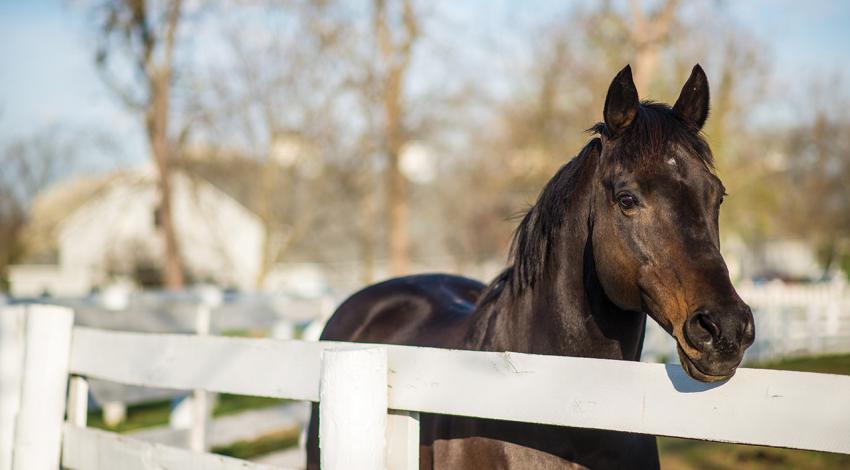
Go For Gin, the second-oldest living Kentucky Derby winner, looks into the camera from his enclosure.

The horse is Kentucky’s icon, and no place celebrates all things equine better than Kentucky Horse Park.

Located just outside Lexington, the park is like Disneyland with horses. Pristine grounds and specially designed buildings echo the beauty of the surrounding Bluegrass horse country, while programming and activities harness humanity’s relationship with horse breeds throughout the globe.

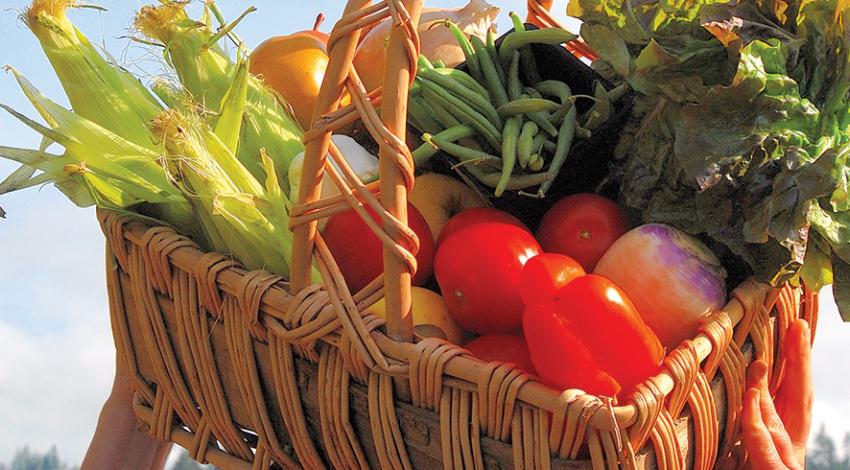
A basket containing vegetables, including corn, green beans, tomatoes, and peppers.

Kitchen gardens are sprouting up more and more as folks take the farm-to-table practice into their backyards — and now’s the time of year when the first signs of spring have many of us eagerly anticipating those tasty tomatoes, juicy melons, fresh salad greens, crisp cucumbers, and other fresh edibles that come from our own gardens. These tips will help power up your planting and maximize your yields for a tastier, more productive kitchen garden.

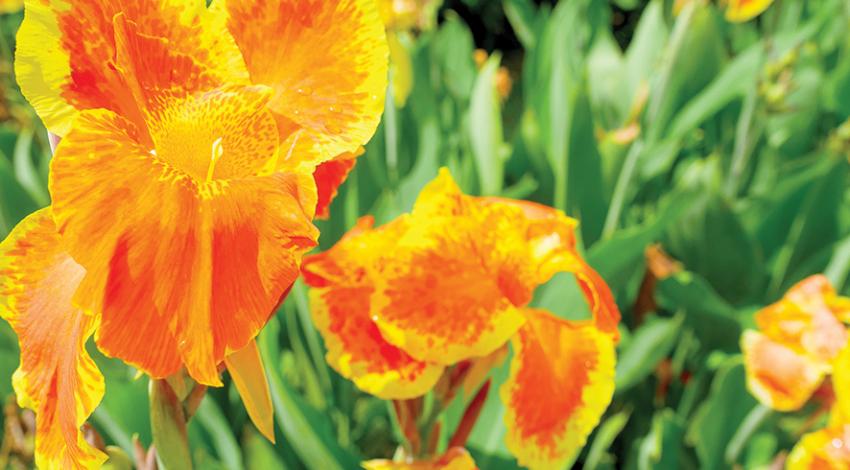
A picture of bright orange cannas

Color and texture are tried-and-true ways to add interest to your garden, but gardeners may not always stop to consider shapes. Contrast feathery with bold, tall and slender with wide and round, or any other variations you can imagine. Here are a few plants that just might inspire you.

Cannas are wonderful large additions to any garden, be it a border or a foundation bed. The many varieties provide gorgeous, exotic blooms in a variety of colors, but sometimes the leaves are the stars.

The inside of a futuristic car.

In a few years, you may be able to spend your morning commute reading a book, checking e-mail, or even napping, thanks to self-driving car technology.

While they aren’t exactly as high-functioning as KITT, the crime-fighting black Camaro from the old Knight Rider TV series, autonomous vehicles from the likes of Google, Tesla, and other companies have proven that we are on the cusp of being able to take our hands off the wheel.

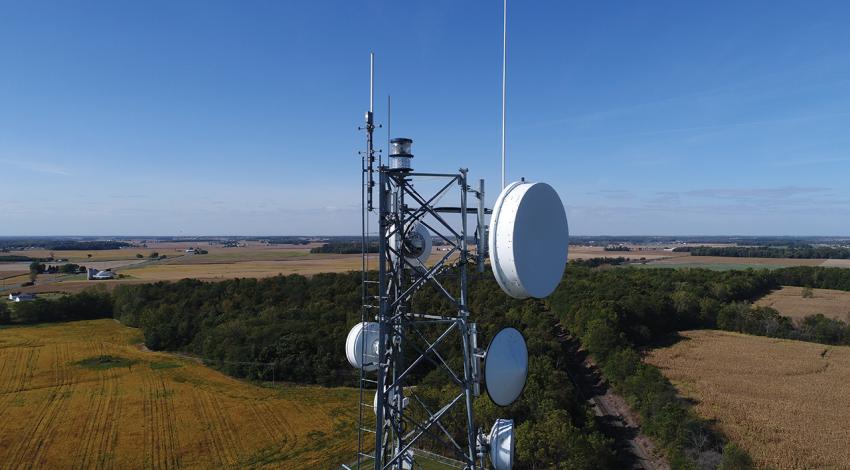
A picture of the top of the 140-foot-tall communications tower by drone.

There is a 140-foot-tall communications tower positioned at Mid-Ohio Energy Cooperative’s substation in Ada that’s vital to the co-op’s mission to provide reliable electric service to its more than 8,000 owner-members.

At the top are two radios that are part of Mid-Ohio Energy’s microwave communications network — one that communicates with another substation, and another that points back to the co-op office in Kenton — and unless both are working, the co-op would have difficulty communicating with critical systems at several substations.