Pioneer Electric Cooperative

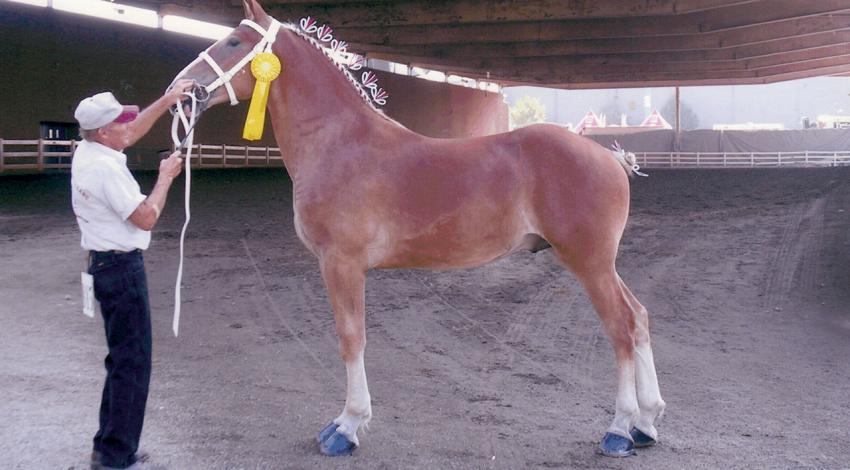
A man pats the face of a horse.

Belgians — those big draft horses with gentle dispositions — are beautiful. Just ask brothers George and Ted Barhorst of Fort Loramie. The Barhorst family was honored at the 2017 Ohio State Fair for 75 years of showing Belgian horses. Their grandfather, Bernard Barhorst, started the tradition, which continues today.

“I don’t ever remember a time when we didn’t raise, breed, and show Belgians,” Ted says. “We have 12 of them right now.”

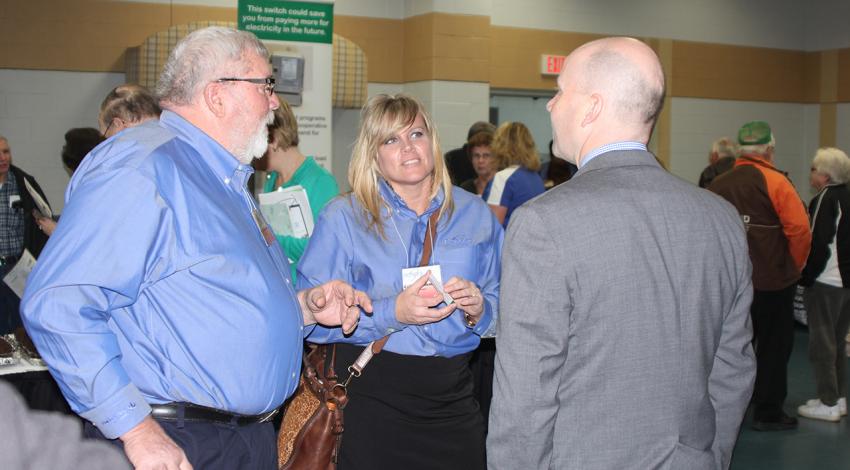
An individual hands back a card to a woman standing next to her daughter.

Somewhere among the archives belonging to Pioneer Electric Cooperative in Piqua is buried a postcard from a member notifying the cooperative that the power was out at his home.

“…So, the next time that you are out here, please check it out,” says Nanci McMaken, paraphrasing the document. McMaken, vice president and chief communications officer at Pioneer Electric, has seen lots of changes during her 36 years at the co-op, which serves 16,700 members in Champaign, Shelby, and Miami counties — but methods of communication has been a big one.

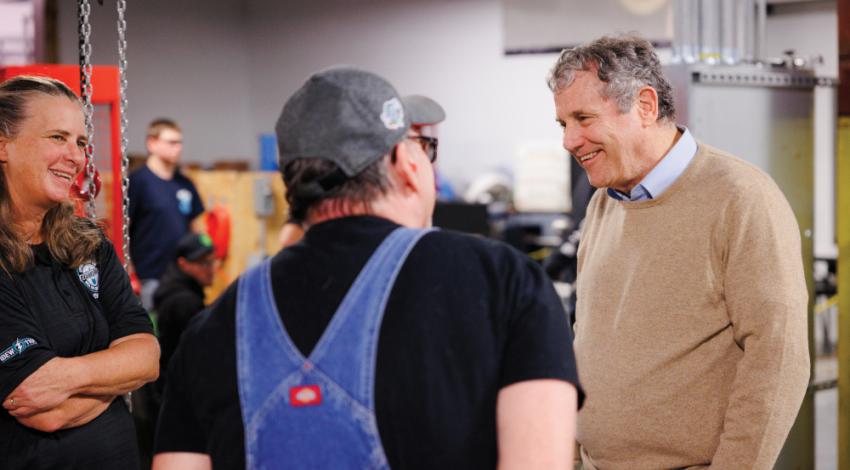
Colleen Eidemiller talks with two others.

Being a board member for an Ohio electric cooperative comes with a sense of pride in service to one’s community. Board members, after all, are the link between owner-members of the cooperative and the services those members receive from the cooperative, and they take that responsibility seriously.

The initial structure of the building being built.

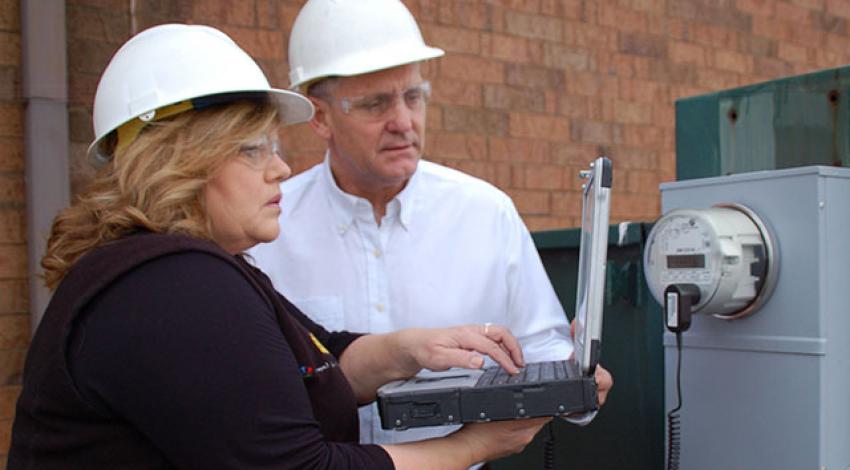
Being a lineworker is not a particularly easy job; besides the strenuous nature of the work that both keeps the lights on and restores power when there’s an outage, the folks on the poles need to have a knowledge base that ranges from basic knot-tying to electrical engineering.

Not surprisingly, there’s a lot of training that goes into becoming (and remaining) a lineworker. Also not surprisingly, Ohio’s electric cooperatives are leaders in the field of lineworker training.