Features

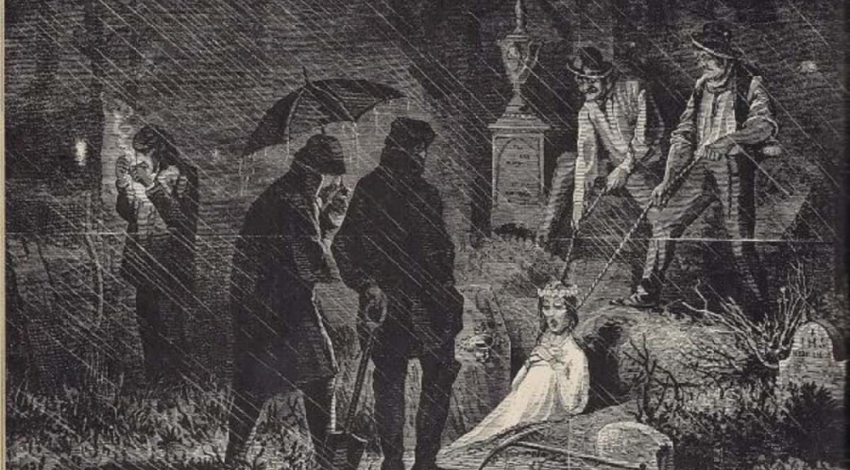
A black and white sketch of a graveyard scene

On February 17, 1871, the Ohio State Journal published a letter to the editor describing what the writer said was a dire situation of neglect at the graveyard at the Ohio Penitentiary: “Their bodies are buried by days, to be dug up at night by unforbidden resur

Students enrolled in the departments of medicine at various Ohio medical schools soon discovered the answer to their quandary lay inside the gates of the local graveyards.
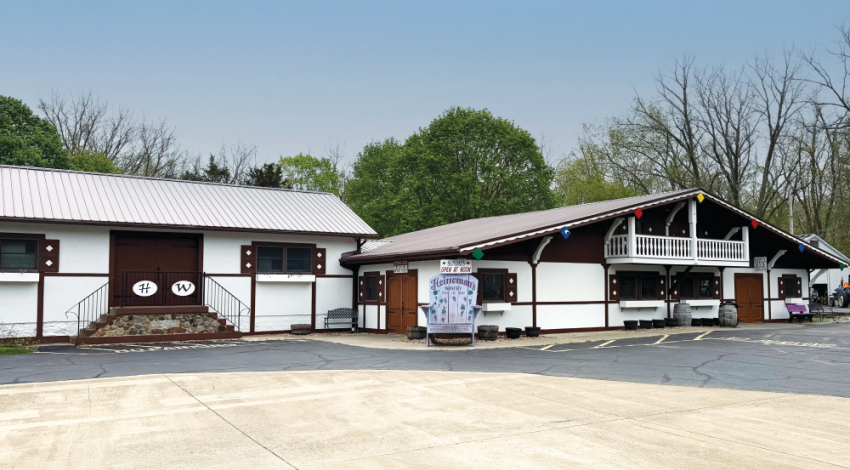
Heineman’s Winery

Across the state, family-owned vineyards welcome visitors with tasting rooms and varied landscapes that reveal stories rooted in history, geology, and generations of hands-on work. 

Heineman’s Winery

978 Catawba Ave., Put-In-Bay

Bo Bruns

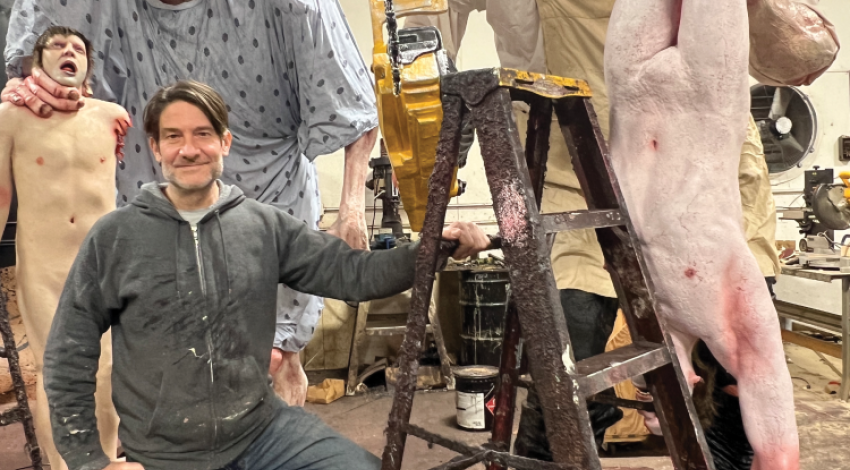
At an otherwise nondescript warehouse on Columbus’ east side, monsters gather. A trio of skeletal pirates shares a bottle of rum. A cluster of men in lab coats, the flesh melting off their faces, conspire in a corner. Frankenstein’s monster stalks amid gutted corpses.

Bruns traces his fascination with the fantastical back to his 1970s childhood in front of the television, watching Leonard Nimoy host In Search Of..., the classic mystery documentary series that explored everything from UFOs to sea monsters. When he saw the original Star Wars — particularly the cantina scene, packed with alien faces unlike anything he’d ever seen — he was hooked.

“That ignited a fire in me,” Bruns says. “I’ve always had an interest in cryptids, UFOs, any kind of unexplained things. I guess it lends itself to this art form.”

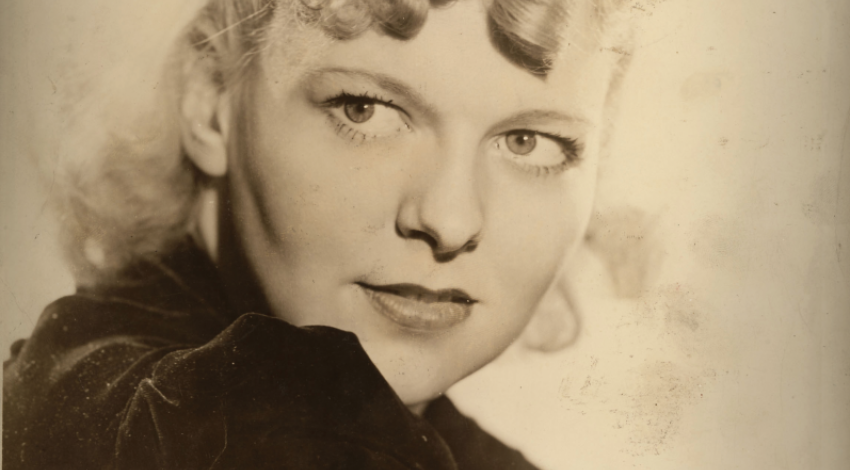
A black and white image of Dorothy Sloop

Baaa-DUM, ba-DUM, ba-DUM, ba-dum-dum-dum! Native Ohioans — college football fans and non-fans alike — grow up with that rousing snare-and-brass intro on autumn Saturdays and automatically know what’s coming.

So — now that you’ve got the song ringing in your head — read on for the story of Dorothy Sloop.

Dorothy (known as “Dottie”) was born into a musical family in Steubenville in 1913. “Her grandfather owned a music store, and her father played the pump organ and was the theater organist for silent movies,” says her nephew, Fred Ruland of Marietta. 

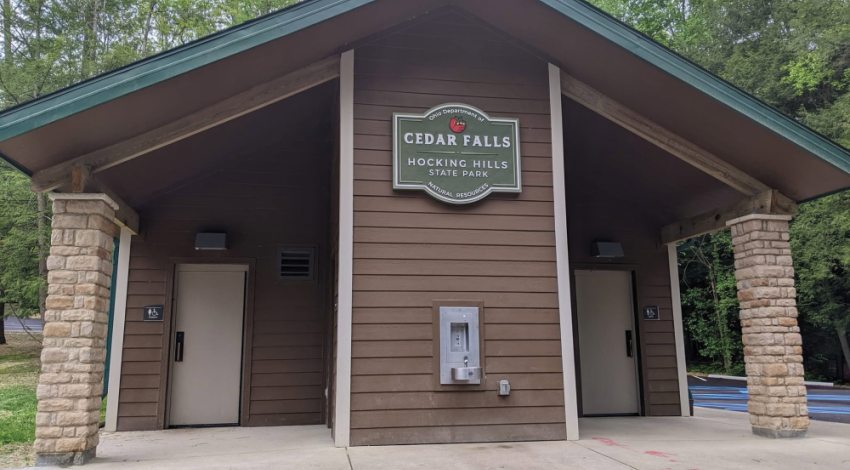
Public restroom at Cedar Falls in Hocking Hills State Park

On any given day, Mary Mertz, director of the Ohio Department of Natural Resources, may be called upon to consider issues involving wildlife, campground capacity, hiking trails, or the health of Ohio’s forests.

Ohio State Parks earned the National Gold Medal Award for Excellence in Park and Recreation Management in 2025 — essentially the top honor a park system can earn — but Mertz knows there’s always room for improvement, and she says restroom facilities are low-hanging fruit.

“We want people to want to be in the outdoors,” Mertz says. “Fifty years ago [when many of the facilities were built], people’s expectations were different. Today, people have come to expect a higher level of accommodation.”

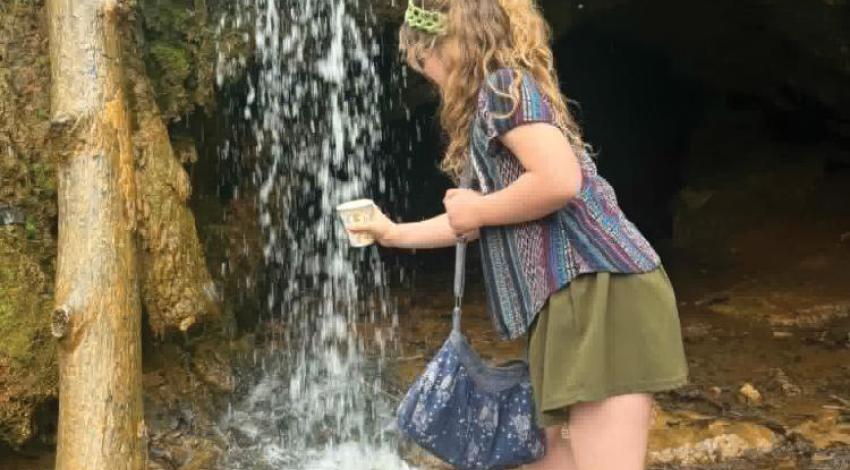
A girl holding a cup under a spring waterfall

It was a cloudy, misty afternoon that belied the spring season when my children and I arrived at Glen Helen Nature Preserve near Yellow Springs, in search of the nearby town’s iconic namesake. 

ACCORDING TO A MAP from the Ohio Department of Natural Resources, most of Ohio’s springs are in the southeast part of the state, with a fair number in central and southwest Ohio as well. Steven Lyon, an associate professor at the School of Environment and Natural Resources at Ohio State University, says they’re driven by the state’s geological history and the prevalence of limestone, sandstone, and shale. 

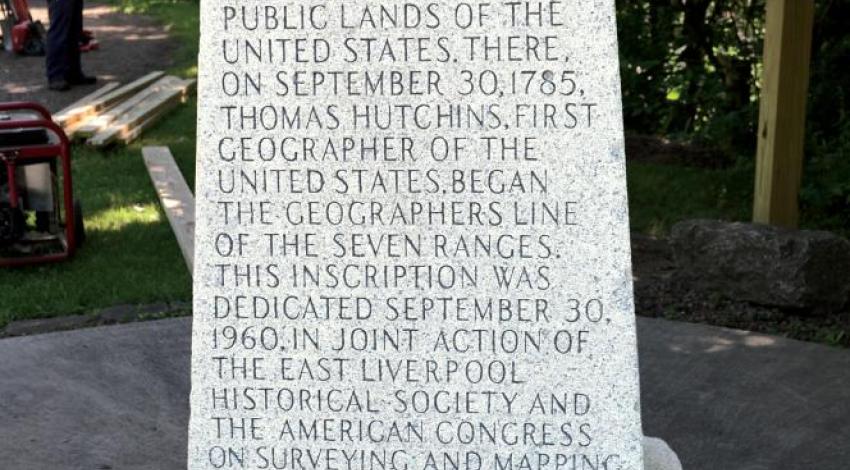
A monument in Ohio that commemorates three Jeffersonian ideals that were pivotal to the Land Ordinance

If you’ve ever flown over Ohio and points west, you cannot help but notice the checkerboard of farm fields and woodlots — the corn-and-soybean plaid that’s repeated westward until it finally exhausts itself at the edge of the Pacific Ocean.

In 1774, the Ohio Country was a vast land populated by a host of Native American tribes, and the British Crown wanted to use it as feudal property — owned by the king — where occupants would pay a tribute to live there. A young Thomas Jefferson was having none of it. He penned a pamphlet denouncing the plan — he hated the thought that only aristocrats and kings and churches could own land in America. More on that in a bit.

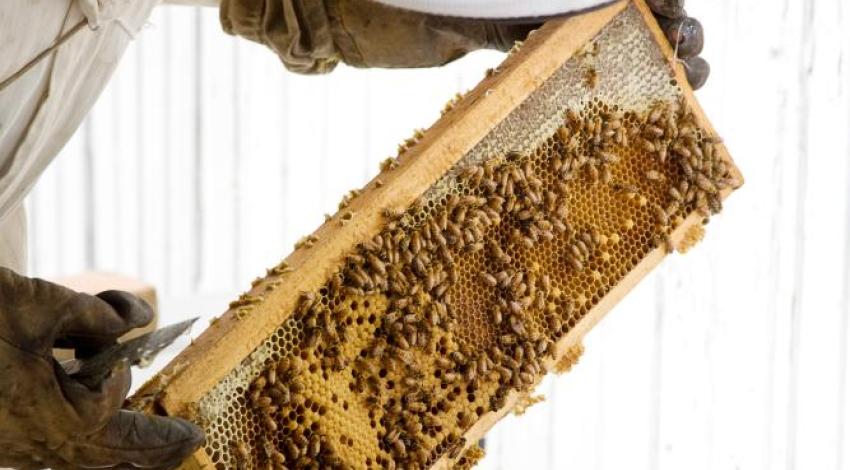
A person inspecting an active honeybee hive

They might be easy to take for granted, but honeybees make a significant contribution to your daily diet. Honeybees pollinate at least 70 crops produced in Ohio each year, including apples, pumpkins, cucumbers, strawberries, and sunflowers. 

Heilman manages nearly 800 hives, which he hires out to farmers. Half of his hives travel out of state, but he estimates his bees alone help Ohio growers produce
$10 million to $15 million worth of crops each year.

Oh, and by the way, those busy workers also make one of the more luscious food products on the planet. Heilman’s bees produce more than 35,000 pounds of honey annually.

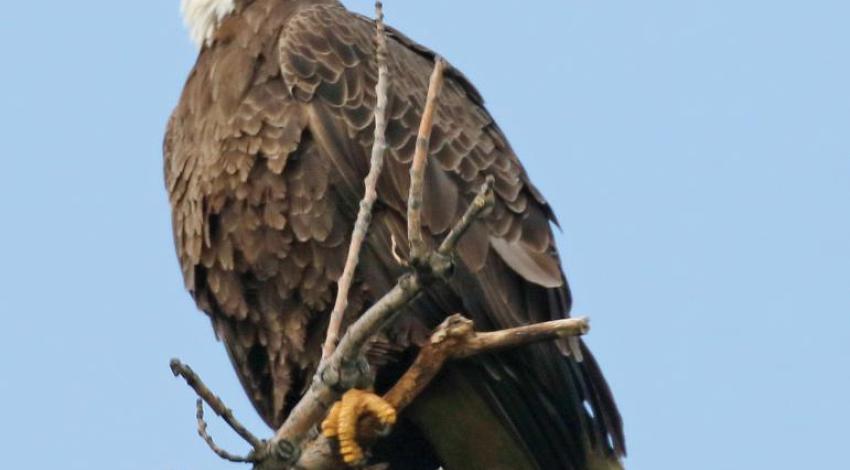
A bald eagle perching in a tree

The bald eagle has been our national symbol since the Continental Congress first adopted the design for the Great Seal of the United States, six years after the signing of the Declaration of Independence. But it wasn’t officially designated as our national bird until 2024.

One of the largest bald eagle nests ever discovered was the Great Nest, located near Vermilion in the early 20th century. By 1979, however, there were only four nesting pairs of bald eagles left in the Buckeye State, their numbers having been decimated by poisonous chemicals accumulating in the environment, mostly DDT.

Declaration of Independence

Americans obviously celebrate July 4, Independence Day, honoring the date on which the Continental Congress officially adopted Thomas Jefferson’s statement declaring the American colonies’ independence from Britain. This year, as part of the official U.S.

“They transformed a resolution into a binding act of commitment,” says David Zavagno, executive director of Lake Erie Heritage Foundation. “That moment — where individuals stepped forward and put everything on the line — is at the heart of our event.”

Zavagno says that the July 4 action was important, but it was the delegates’ actual signing of the declaration that was an act of mutiny against Britain and its king. “Signers picked up a pen and risked their life, knowing they would be forced to pick up a sword to defend it,” he says.